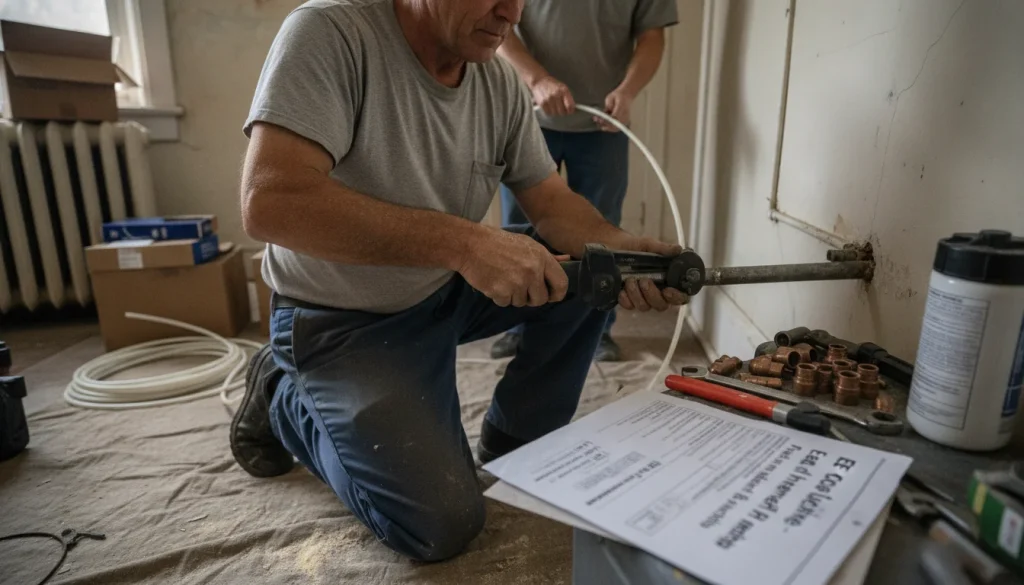
A ceiling stain appears after a quiet night, a section of flooring feels strangely warm, or the water bill jumps without warning. When these clues surface, many owners face the same core decision: repiping vs spot repairs. Here is the straightforward answer up front: repiping replaces most or all of your supply lines to address system‑wide risks, while a spot repair targets a single fault. The best choice depends on pipe age, leak history, water quality, and how accessible your lines are—so you protect the building and your time.
Executive summary: This comparison explains how to weigh a whole‑home repipe against a single repair by looking beyond today’s invoice. You’ll learn the warning signs, diagnostic tools, code considerations, timelines, and lifetime factors that matter in Magnolia. Magnolia Texas Plumbing works across Magnolia every week and can help you choose a plan that fits your layout, daily routine, and long‑term goals.
Key Takeaways
- Repiping addresses aging materials and recurring leaks; a spot repair fixes one problem quickly.
- Decide using pipe age, leak frequency, water chemistry, and access—not just initial repair costs.
- Factor in total cost of ownership: repeat openings, restoration, downtime, and water damage risk.
- Material choice (copper, PEX, CPVC) and code compliance influence lifespan and reliability.
- Plan work alongside remodels to reduce disruption and finish repairs only once.
Table of Contents
- Repiping vs spot repairs: what each option really means
- Warning signs and diagnostics before you decide
- Costs that matter: upfront vs lifetime total cost of ownership
- Materials, code compliance, and expected lifespan
- Decision framework: when repiping wins and when repairs make-sense
- Project logistics, timelines, and level of disruption
- Insurance, warranties, financing, and ROI
Repiping vs spot repairs: what each option really means
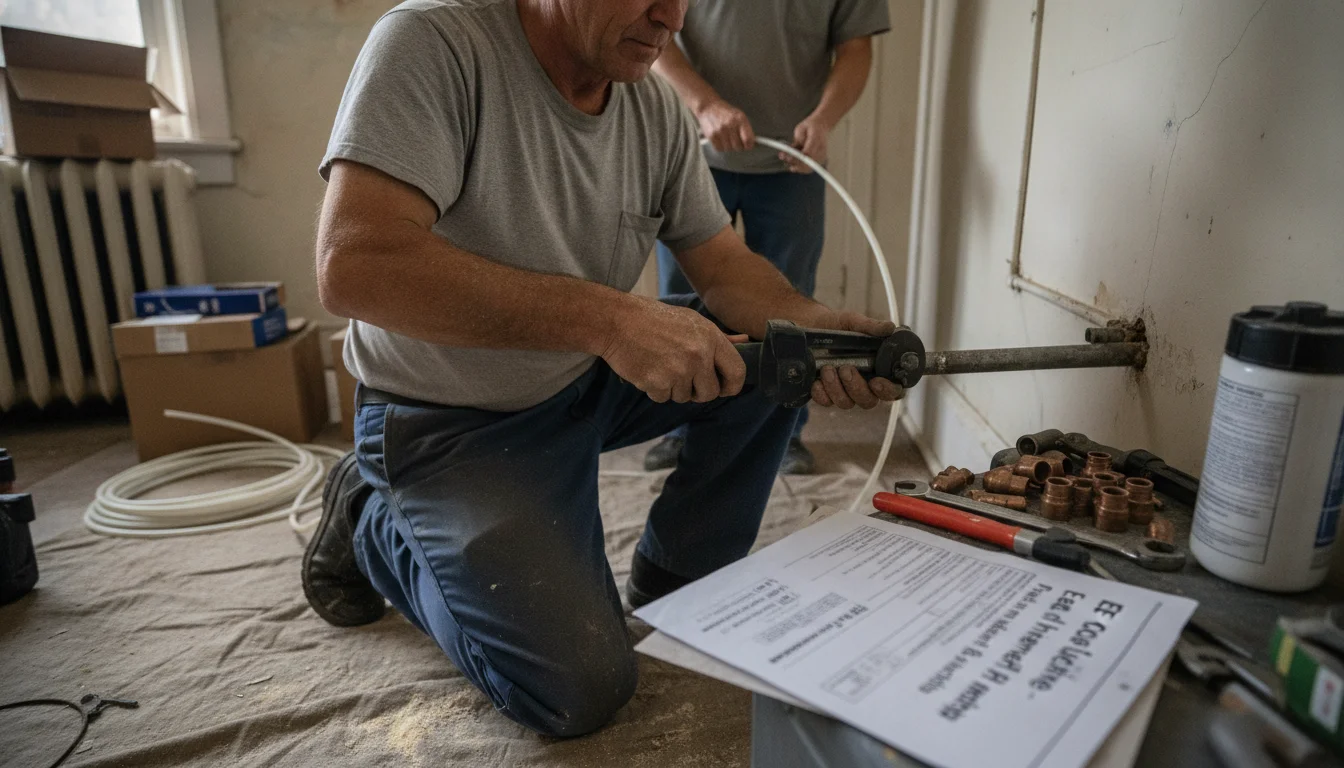
A repipe is the planned replacement of supply piping across a home or building. It typically includes new shut‑off valves, fresh supply lines to each fixture, and proper seismic and code‑compliant supports. Crews create targeted access points in walls or ceilings, route the new lines, and take the old system out of service. The result is a unified piping network with steadier pressure and cleaner water.
A spot repair is a focused fix on a single leak or failing section. A plumber exposes the small area, removes the damaged piece, and installs new fittings or a short run of pipe. This stops one problem quickly with minimal access work.
Both solutions rely on licensed methods and code‑listed materials. The difference is scope. Repiping mitigates building‑wide risks tied to age or problematic materials. A repair addresses one break, pinhole, or loose joint. If leaks keep emerging, one more patch may only delay the next disruption.
For many owners in Magnolia, the decision touches daily routines. Can you handle recurring visits and repeat openings? Or does a planned, once‑and‑done project make more sense? Magnolia Texas Plumbing can explain the trade‑offs for your room layout, fixture mix, and water demands so you can choose with confidence.
What a full repipe includes
A full repipe starts with mapping your system, selecting routes, and protecting finishes. Teams set dust control, schedule water‑off windows, and open strategic access points. They install new lines, pressure test, sanitize, and restore surfaces. Expect new angle stops, supply tubes, and properly spaced supports. Old galvanized or deteriorated copper is isolated and abandoned in place or removed where feasible.
What counts as a spot repair
Common repairs include replacing a pinholed section, rerouting a failed segment under a slab above grade, or swapping out a seized or leaking valve. Limitations show up when leaks recur, walls thin from internal corrosion, or pitting is widespread. In those cases, repeated patches can increase long‑term risk and disruption.
Warning signs and diagnostics before you decide
Plumbing often signals trouble in advance. Look for rusty or green stains on fittings, persistent pinholes, or damp drywall. Sudden pressure drops, cloudy or metallic‑tasting water, or unstable hot‑cold temperatures are additional clues. Age matters: older galvanized lines corrode from the inside, while copper can pit due to water chemistry and high velocity.
Leak patterns tell the story. A single leak close to a water heater can be heat‑related and localized. Multiple leaks in different areas typically indicate system‑wide deterioration. Slab leaks often reveal themselves as warm spots on floors, unexplained meter movement with all fixtures off, or swelling at baseboards.
Pros confirm hidden issues with specialized tools. Acoustic leak detection listens for pressurized water escaping within concealed runs. Thermal imaging maps heat from hot lines and flags cooler damp zones behind finishes. Pressure testing verifies that lines hold at specified levels before closing walls. Dye and moisture meters help trace stains through ceilings and floors to their sources.
For water quality, licensed plumbers can review city reports and test at the tap. If you have lead service concerns, follow local rules and the EPA’s guidance on lead and copper in drinking water, which outlines testing and risk control steps (EPA Lead and Copper Rule).
If you face an active break, use Emergency Plumbing immediately. Shut off the main supply, open a low faucet to drain lines, and keep people clear of wet areas. For persistent standing water or a constantly spinning meter, Leaks & Burst Pipes is the right follow‑up service.
How pros verify problems
- Acoustic listening: Identifies pressurized leaks hidden behind finishes.
- Thermal imaging: Maps hot runs and moisture‑cool zones.
- Pressure testing: Confirms tightness before closing access points.
- Endoscopic cameras: Inspect accessible chases and voids.
- Water tests: Check pH, hardness, and metals that drive corrosion.
Costs that matter: upfront vs lifetime total cost of ownership
Total cost of ownership is the complete expense over the life of your choice. For plumbing, this spans the initial repair, any repeat visits, potential water damage from future leaks, and time lost during disruptions. It also includes finish repairs, access work, and any code‑driven upgrades.
A single localized fix usually has a lower upfront bill than a whole‑home project. But a longer view can reverse that math when leaks recur. Multiple service calls, repeated drywall openings, repainting, and unplanned outages add up. A planned repipe groups access, testing, and restoration into a single, coordinated timeline.
Think beyond today’s visit to the next five to ten years. Does pipe age point to additional failures on the horizon? Are you planning a remodel that will open walls anyway? Aligning work with renovations minimizes disruption and consolidates restoration once instead of many times.
Hidden costs matter. Water damage can impact framing, subfloors, cabinets, and insulation. Mold growth may require removal of wet materials and specialized cleaning under containment per industry standards such as the IICRC S500 guidance (IICRC S500 Overview). Commercial settings add downtime risk, lost revenue, and tenant disruption.
When comparing repiping vs spot repairs, list the “soft” costs too. Time off work, moving furniture, and temporary loss of multiple fixtures all change the real‑world cost of a plan in Magnolia and nearby neighborhoods.
What to consider beyond the invoice
- Damage risk: A single kitchen leak can affect finishes across multiple surfaces.
- Repeat access: Opening and patching the same wall repeatedly becomes frustrating and messy.
- Scheduling: One coordinated project vs several urgent visits.
- Insurance: Review limits on gradual leaks before committing to a path.
Materials, code compliance, and expected lifespan
Pipe choice shapes performance and longevity. Copper is durable and well‑proven, resists UV and heat, and looks clean on exposed runs. It can pit in aggressive water and requires skilled joining. PEX is a flexible plastic that navigates tight spaces with fewer fittings and can tolerate freeze expansion better than rigid pipe; it needs protection from sunlight and heat sources.
CPVC is a rigid plastic suitable for hot water, joined with solvent cement and resistant to corrosion; it can become brittle if overstressed and requires correct support spacing. Galvanized steel corrodes internally over time, restricting flow and discoloring water; many older galvanized systems are at or near their practical end of life.
Local code governs acceptable materials, support intervals, valves, and testing. Most US jurisdictions follow versions of the International Plumbing Code or Uniform Plumbing Code. Your plumber should pull permits, conduct pressure tests, and install required shut‑offs and water hammer arrestors as specified. Manufacturers publish installation and warranty requirements that must be followed to keep coverage valid.
Water chemistry and pressure influence outcomes. High static pressure strains joints and fixtures; a pressure‑reducing valve may be needed to keep levels within range. Aggressive water chemistry can accelerate corrosion. A professional can test and recommend the best material strategy for your block and building era in Magnolia.
For lead concerns in older homes, consult EPA guidance on lead in residences and plumbing components, which covers fixture choices, filtration, and replacement steps (EPA Lead in Homes). Always use third‑party listed materials and follow code.
Expected service life at a glance
- Copper: Long service life with correct sizing and suitable water chemistry.
- PEX: Long life; fewer fittings can reduce leak points.
- CPVC: Reliable where allowed; protect from impact and stress.
- Galvanized: Commonly near end of life in many older homes.
Decision framework: when repiping wins and when repairs make sense
Start with age and failure frequency. If you have multiple leaks within a short span, a repipe may be smarter than more patches. If lines are newer and the issue is tied to a single stressed fitting or isolated event, a targeted repair can solve it. Match the remedy to the root cause, not just the symptom you see today.
Consider timing. If a kitchen or bath remodel is on the calendar, fold a repipe into that scope. Walls will open anyway, reducing duplicated dust and finish work. If you recently remodeled and a single valve failed, a careful localized fix may preserve your new finishes.
Daily use matters for families and tenants. A repipe can be staged so at least one bathroom remains operational most of the day. While repairs may be quicker, frequent visits still interrupt meals and showers. The right choice balances speed now with long‑term peace of mind.
Commercial and multifamily buildings face different equations. Leaks impact many users and units. Downtime can mean lost income, rent credits, or compliance headaches. A planned repipe during low‑use windows can reduce risk, while spot repairs remain sensible for isolated fixtures, such as one unit’s angle stop or a mechanical room valve.
Use this simple flow:
- Map leaks over time. If multiple zones are affected, consider repiping.
- Check pipe material and age. Old galvanized or thinned copper often points to replacement.
- Review water quality and pressure. Aggressive chemistry or high pressure requires careful material selection.
- Align with remodels. Open once, finish once.
- Confirm access. Complex chases may favor flexible PEX routing.
Residential vs. commercial triggers
- Residential: Two or more leaks in a year, persistent discoloration, and aging materials often signal replacement.
- Commercial/multifamily: Occupancy needs, life‑safety, and downtime costs push toward planned replacements.
Project logistics, timelines, and level of disruption
Repiping is organized work. Expect a site walk, permits, and a clear access plan. Crews protect floors, set dust control, and cover belongings. Water is turned off in scheduled blocks, not continuously. New lines are routed, strapped, and tested. Surfaces are closed and patched after inspections, then systems are flushed and sanitized.
Most single‑family repipes take several days, depending on square footage, number of fixtures, and access complexity. Multi‑story homes, challenging chases, and plaster or tile can add time. Good planning often keeps one bathroom operational during the day. Many owners stay in the home if they can accommodate short water‑off windows.
Spot repairs are quicker and more localized. The plumber locates the fault using acoustic tools or thermal imaging, isolates the section, creates a small access point, and completes the fix. After testing and drying the cavity, drywall repair and paint follow. Many spot repairs can be completed the same day.
If a pipe bursts, shut off the main immediately. Open a low tub spout or hose bib to drain the system. Move valuables out of wet areas and avoid standing water for electrical safety. Call Emergency Plumbing for rapid response, then schedule Leaks & Burst Pipes for comprehensive testing and restoration as needed.
Garbage Disposal Repair, Kitchen Plumbing, and other fixture services can be bundled after a repipe to set your kitchen and baths up for reliable service. Coordinating fixtures with fresh supply lines helps you avoid installing new components over aging piping.
What to expect from crews
- Clear schedule: Defined daily start and stop times.
- Containment: Floor protection and dust control.
- Testing: Pressure tests before closing access points.
- Updates: Brief notes on progress and next steps.
Insurance, warranties, financing, and ROI
Insurance frequently distinguishes sudden, accidental discharge from slow, ongoing leaks. Coverage for the break, access, and build‑back varies by policy, and many exclude long‑term seepage. Document damage with photos and keep reports. The Insurance Information Institute offers plain‑language explanations of water loss categories and claim considerations (III Water Damage Basics).
Contractors provide workmanship warranties, and manufacturers back materials when installed per specifications. Ask what is covered and for how long. Keep permits, inspection records, and pressure‑test documentation. These help with future sales and with any claims.
Payment approaches differ by contractor and scope. Some owners phase work, prioritizing the most vulnerable zones first. Others coordinate repiping with renovations to reduce total downtime. Long‑term value appears as fewer leaks, improved water quality, and steadier pressure—all qualities that many buyers prefer when reviewing homes in Magnolia.
Frequently Asked Questions
What should I do first when a pipe bursts?
Turn off the main water valve. Open a low faucet to drain lines. Keep power sources away from water and move items from wet zones. Call Emergency Plumbing for rapid help, then schedule Leaks & Burst Pipes to inspect and restore the system.
How do I know if a small fix is enough?
If your system is relatively new and the leak clearly ties to one joint or valve, a spot repair can be the right move. If you’re dealing with leaks in different rooms, discolored water, or low pressure from old lines, repiping typically addresses the root cause.
Which pipe material lasts the longest?
Copper, PEX, and CPVC can all serve for many years when installed correctly and matched to your water conditions. Galvanized steel in older homes is usually near the end of its life. A licensed plumber will size, select, and install materials to meet code and pressure requirements.
Will insurance cover a repipe after a leak?
Policies differ. Many cover sudden breaks but not slow seepage. Some include access and build‑back; others do not. Save photos, invoices, and inspection notes. Check with your carrier before starting major work.
How do I find reliable pipe repair near me?
Seek a licensed, insured plumber with strong local reviews and clear warranties. Ask about diagnostics, permitting, and materials. Magnolia Texas Plumbing can inspect, perform pressure tests, and explain your options—from a targeted repair to a full repipe.
Key takeaways
- Match the fix to the root cause, not just today’s symptom.
- Weigh lifetime ownership costs, not only the initial visit.
- Select materials that fit your water chemistry and meet code.
- Plan work alongside remodels to limit disruption and repeat patching.
- Document everything for insurance and future resale value.
Conclusion
Choosing between repiping vs spot repairs comes down to risk tolerance, schedule, and long‑term peace of mind. A targeted fix can stop a single leak quickly, while a planned repipe can end a costly cycle of surprises. In Magnolia—from Downtown Magnolia and Mostyn Manor to Pinehurst, Stagecoach, Tomball, The Woodlands, and nearby communities—Magnolia Texas Plumbing helps owners compare options with clear steps and licensed work. Contact us
If you are not sure what you’re dealing with, it’s worth getting a professional look before a small issue grows into a major project. Magnolia Texas Plumbing can assess your system, explain trade‑offs, and outline a practical plan that fits your timeline and property.
If you are not sure which of these you are dealing with, it is worth having someone look at it before it turns into a bigger job. Get in touch with Magnolia Texas Plumbing today and we will tell you where you stand.