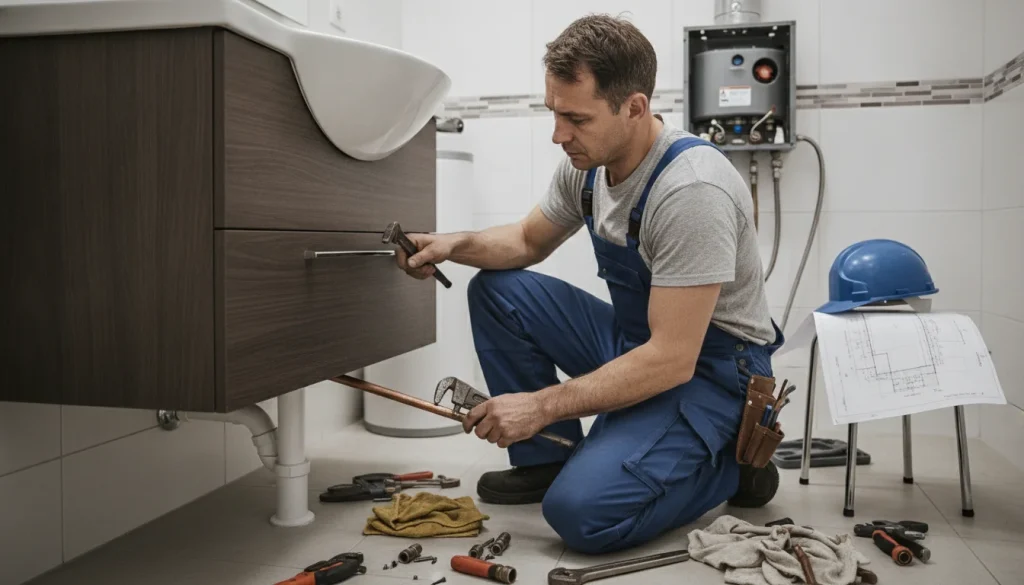
A small puddle under the sink can quickly turn into soaked cabinets and swelling floors. In that moment, who you call matters more than the size of the leak. The short answer to why hire a licensed plumber is this: a licensed professional brings proven training, legal authorization, and accountability that quick fixes and unlicensed work can’t provide. A licensed plumber is a tradesperson who has passed state exams, completed required training, and is approved by the state to install, repair, and test plumbing systems.
Magnolia Texas Plumbing works across Magnolia each week on urgent emergencies and planned projects. The team handles leak detection, blocked drains, water heater repairs, and safe gas line work. For homes and businesses in Magnolia, that combination of training and responsibility can be the difference between a clean repair and a second disaster.
What a Licensed Plumber Is—and Why It Matters
A license is legal proof that a plumber is trained and authorized by the state to install, fix, and test plumbing. It shows the pro understands code, pulls permits when required, and can sign off on completed work. That matters for health, safety, and property value. Because plumbing brings clean water in and carries wastewater out, careful steps prevent contamination and damage. This is the practical case for why hire a licensed plumber when something goes wrong—or before it does.
Code compliance and permits: protecting safety and property value
Building code is the rulebook that keeps systems safe. Licensed plumbers follow code and obtain permits for jobs that require them. Permits add plan review and inspections, which lower the risk of leaks, cross-connections, and drain failures. Code provisions reflect public health science, such as preventing backflow and protecting water quality. Many U.S. jurisdictions adopt versions of the International Plumbing Code, published by the International Code Council, which is available to read online for reference. Work completed to code also supports appraisals and smoother real estate transactions.
Insurance, bonding, and warranties: who pays when something goes wrong
A licensed plumber carries proper insurance to cover property damage or injuries that might occur on the job. Bonding provides financial protection if a contractor fails to finish or meet agreed terms. Reputable professionals also stand behind their labor and certain parts with written warranties. If a mistake happens, coverage and warranty terms determine who pays. Unlicensed work often lacks this safety net and can even void manufacturer warranties on fixtures and water heaters.
Costs and Value: How Licensing Impacts Pricing, Risk, and Results
Licensed service is not just a line on a quote—it reflects trained labor, safe methods, and fewer do-overs. Costs vary by job complexity, access, parts, and timing. The value shows up in fewer surprises and valid paperwork that protects the owner. When you compare estimates, remember why hire a licensed plumber: lower risk, proper permits, and documentation that supports insurance and resale.
Licensed vs. unlicensed: true cost comparison and hidden liabilities
An unlicensed price may look low at a glance. But skipped permits or wrong materials can lead to leaks, mold, fines, or denied insurance claims later. Those hidden costs show up as remediation or full rework. A licensed plumber plans the job, uses listed materials, and documents the process. That documentation can support insurance coverage if a pipe bursts or a heater fails. It also helps keep manufacturer warranties intact, since many require installation by a licensed professional.
What a professional quote includes (diagnostics, materials, labor, warranty)
A clear quote from a licensed plumber usually explains:
- Diagnostics and testing steps
- Materials and fixtures by make or specification
- Labor scope and access needs
- Permit requirements and inspection timing
- Cleanup, haul-away, and site protection
- Warranty terms and how to request service
This level of detail helps owners compare options and reduces mid-project change orders. For complex tasks like Gas Line Plumbing or Bathroom Installations, these items set expectations and keep the site safe.
How to Verify a Plumber’s License and Credentials in the US
Trust starts with a quick check—you can verify a license in minutes for both urgent calls and planned projects. The goal is simple: confirm who will perform the work and that the license is current, active, and in good standing.
Step-by-step verification with state boards and license types to know
State licensing boards list licenses by name, number, and status. You can search by the company or the individual who will do the work. Follow these steps:
- Ask for the license number and the full legal name.
- Check the status on your state licensing website. Many portals are listed via USA.gov directories.
- Confirm the scope: apprentice, journeyman, or master—scope defines what work they may do and who can pull permits.
- Review any citations or complaints.
- Verify insurance and bond certificates by name and policy dates.
If the job may disturb old paint, confirm training under the EPA’s Renovation, Repair and Painting (RRP) rule for older homes. For water heater venting or gas lines, ask about code knowledge and pressure testing procedures.
Red flags and essential questions to ask before you hire
Warning signs include no license number on paperwork, cash-only terms, or pressure to skip permits. Vague quotes or refusal to list materials also signal risk. Ask these questions:
- Who is the license holder on this job, and will they be on site?
- What permits are required here in Texas?
- How will you protect floors, walls, and fixtures?
- What is the warranty, and how do I make a claim?
Clear, direct answers build trust. Evasive responses are a cue to walk away. For extra peace of mind in Magnolia, confirm the name on the permit matches the license you verified.
Protecting Your Property: Choosing the Right Pro for Emergencies and Projects
Stress runs high when a pipe bursts or the water heater quits. A simple process helps you act quickly and safely. Licensed teams manage Emergency Plumbing calls with the right tools and steps. For planned work like Kitchen Plumbing, the same rules guide a smooth job.
Hiring checklist for urgent calls and planned installations
When minutes matter:
- Shut off water at the main, then open a faucet to relieve pressure. If gas is involved, leave the area and contact your utility from outside.
- Take clear photos of the leak, break, or heater indicator panel.
- Ask for the license number and confirm active status while you wait.
- Request a written scope for the first visit: stop the leak, make safe, then repair.
For planned jobs like Garbage Disposal Repair or Bathroom Installations, add:
- Fixture choices, lead times, and venting or trap specifications
- Access plans, dust control, and cleanup expectations
- Permit timing and inspection windows
- Final test results, such as pressure or drain flow tests
Contracts, guarantees, permits, and payment terms that keep you safe
A straightforward contract protects both sides. It should list the scope, permit needs, materials, and warranty. Never pay the full amount before work starts. Instead, tie payments to milestones, such as rough-in completion and passed inspection. Keep copies of permits and final inspection records. For gas line work, insist on documented pressure tests. For water heaters, keep the installation sheet and serial number, since many manufacturers require licensed installation for warranty support.
Conclusion
A license is more than a wallet card—it’s proof of training, code knowledge, and accountability. It brings permits, insurance, and clear records that protect health and property. In Magnolia and throughout the surrounding communities, choosing a licensed professional reduces risk, saves time, and streamlines claims and resale—exactly why hire a licensed plumber when the stakes are high. Magnolia Texas Plumbing is ready to help with urgent issues and planned improvements alike.
Key takeaways
- A licensed plumber protects safety, property value, and warranty rights.
- Permits and inspections lower hidden risks and future damage.
- Clear quotes outline diagnostics, materials, labor, and warranty.
- Verify licenses with your state board before any work begins.
- Use written contracts, staged payments, and documented final inspections.
Frequently Asked Questions
How do I check if a plumber is licensed in my state?
Use your state’s licensing portal to search by name or number. Confirm status, scope, and any actions. Many state links are listed on USA.gov. Ask the plumber for insurance and bond certificates that match the licensed name before work begins.
What should I do first when a pipe bursts?
Shut off the main water valve, then open a faucet to drop pressure. Move items away from the leak and take photos. If water nears outlets, shut power off at the main. Call a licensed Emergency Plumbing pro for safe, prompt repairs and a plan to dry the area.
Who can help with bathroom plumbing upgrades in Magnolia?
Licensed teams handle rough-in, venting, and waterproofing that keep a bathroom safe. Seek Bathroom Installations service from a local, insured contractor. Ask for permits where required, and get a written scope, parts list, and warranty terms.
Does a licensed plumber need special training for older homes?
Yes. Older homes can include lead paint and unique piping. For painted areas, confirm EPA RRP certification. Ask about experience with galvanized pipe, cast iron drains, and safe venting. Licensed pros will explain code-compliant methods and permit needs.
One more tip
If you search “licensed plumber near me,” still verify the license and insurance. Local does not always mean licensed.
Ready to protect your property with a proven local team? Magnolia Texas Plumbing serves homeowners and businesses across Magnolia and nearby neighborhoods with Emergency Plumbing, Kitchen Plumbing, Gas Line Plumbing, Garbage Disposal Repair, and more. Contact us to schedule service with Magnolia Texas Plumbing.
If you are not sure which of these you are dealing with, it is worth having someone look at it before it turns into a bigger job. Get in touch with Magnolia Texas Plumbing today and we will tell you where you stand.