Water heater repair cost for a commercial building depends on the fault, system type, access, parts, and urgency. A small control repair usually needs less work than a leaking tank, burner fault, or major electrical problem. The final cost is confirmed in a written quote after testing and inspection.
A water heater problem can affect a restaurant, office, apartment building, school, or store. A lack of hot water can disrupt cleaning, bathrooms, tenants, workers, and daily work. Fast action may limit damage, but careful hiring helps prevent more trouble.
Magnolia Texas Plumbing helps property owners understand their repair choices before work starts. This guide covers common faults, quote details, repair decisions, upkeep, and ways to choose a qualified plumber.
Table of Contents
- How much does commercial water heater repair cost?
- What types of commercial water heater repairs are most common?
- What affects commercial water heater repair pricing?
- When should a business repair or replace a water heater?
- How can businesses compare commercial plumbing quotes?
- How can property owners reduce future water heater costs?
- How do you choose a qualified commercial water heater plumber?
- Frequently Asked Questions
- Conclusion
How much does commercial water heater repair cost?
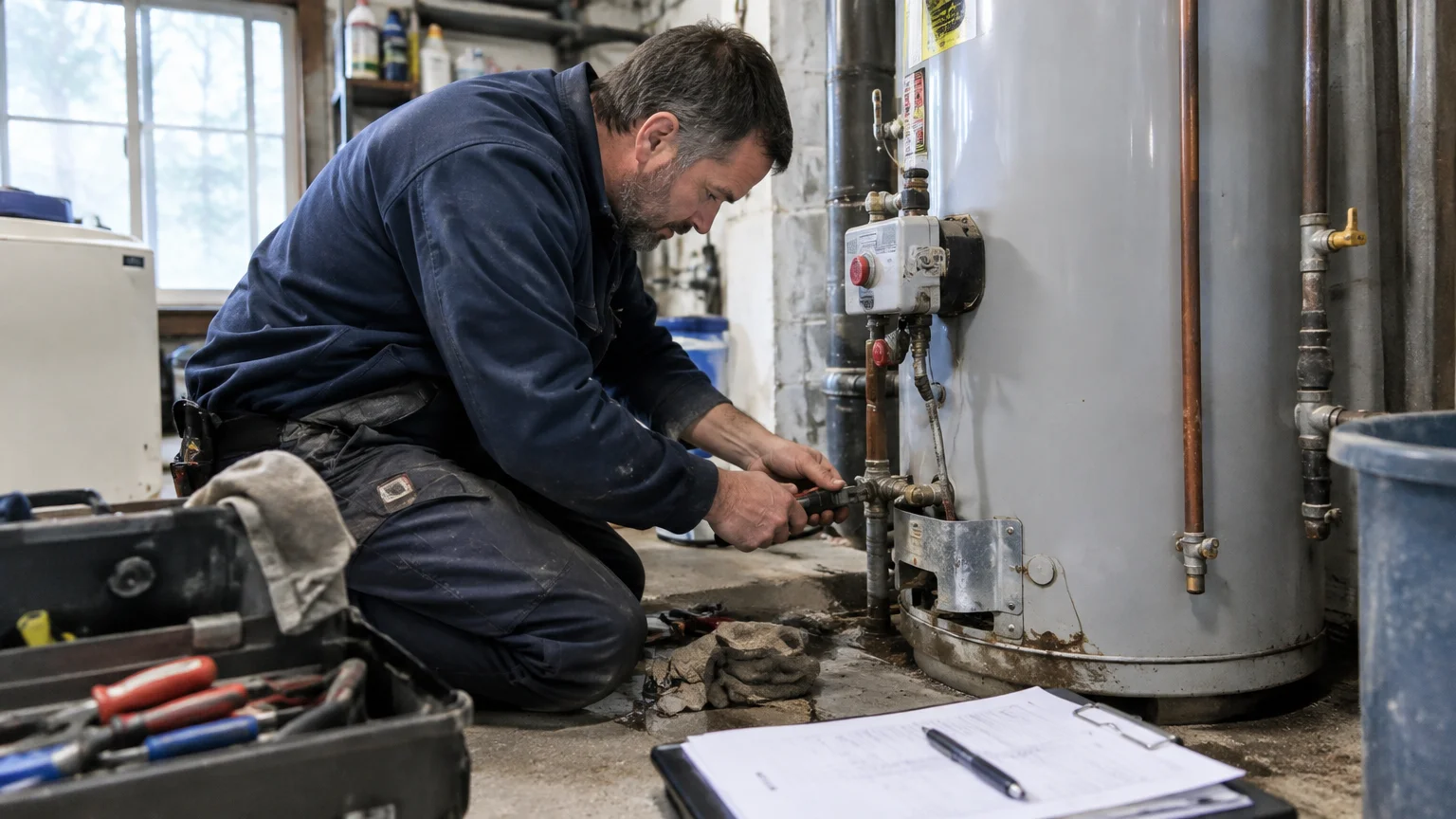
Commercial water heater repair cost changes with the failed part, equipment size, fuel type, access, and parts needed. A simple control issue often takes less work than a leaking tank or damaged heat exchanger. The final cost is confirmed in a written quote after the plumber inspects and tests the system.
Commercial water heaters may serve many fixtures at once. They can include storage tanks, tankless units, boilers, heat pumps, burners, elements, pumps, valves, and controls. Each part changes the work needed. The plumber must first identify the model and find the true cause of the failure.
What factors determine the final repair cost?
The main factors are the fault, unit age, and time needed to reach the equipment. A heater in a clear service room is easier to check than one behind stored goods, locked panels, or finished walls. Safe access also matters when power, gas, or water must be shut off.
Parts can also change the repair scope. A common thermostat may be easy to source. An older control board or unusual burner part may need more planning. Rust, mineral buildup, water damage, and poor past repairs can add more work.
How does repair compare with replacement?
Repair often makes sense when the tank is sound and one replaceable part has failed. Water heater replacement may be wiser when the tank leaks, faults keep returning, or the unit cannot meet the building’s demand. The choice should include safety, downtime, reliability, energy use, and expected service life.
A plumber should explain both choices when replacement may be reasonable. This lets the owner compare a repair today with the risks of keeping an older system. There is no single answer for every commercial property.
What types of commercial water heater repairs are most common?
Common repairs involve heating parts, controls, valves, leaks, pressure, and temperature. A commercial plumber should test the system before changing parts. This helps avoid installing a new part when another fault caused the symptom.
Commercial water heaters may use gas, electricity, a heat pump, or another approved design. The repair must match the system. Fuel-burning equipment also needs safety checks and proper venting.
Tank, burner, heating element, and thermostat repairs
Tank problems may include corrosion, sediment, damaged fittings, and leaking connections. A tank leak may come from a valve or pipe, but water from the tank body can point to a larger problem. The source must be found before repair is approved.
Gas units may need burner cleaning, ignition work, gas valve testing, or vent checks. Electric units may need element, thermostat, wiring, or control repairs. A failed thermostat can cause weak heat, overheating, or repeated breaker trips.
Tankless systems may need flow sensor, ignition, scale, heat exchanger, or control repairs. Tankless water heater installation also needs correct sizing, venting, water flow, and power or gas supply. Poor installation can lead to repeated faults.
Leaks, pressure problems, and temperature issues
Leaks can form at unions, valves, relief devices, pipes, or tank fittings. A pressure problem may involve an expansion tank, regulator, blocked line, or relief valve. A relief valve is a safety part that releases extra pressure when pressure becomes unsafe.
Temperature complaints may mean the heater makes too little hot water. They may also point to a bad setting, failed mixing valve, or demand beyond the system’s capacity. The plumber should test supply, controls, flow, and recovery before suggesting a fix.
What affects commercial water heater repair pricing?
Commercial water heater repair pricing reflects the work needed to diagnose, reach, repair, test, and return the system to service. Owners should compare the full scope instead of comparing one short figure with another. A clear quote makes these differences easier to see.
The same symptom can have several causes. No hot water may come from a failed element, tripped safety control, gas issue, low flow, or damaged control board. Testing helps separate a small repair from a larger system problem.
System size, fuel type, and equipment design
Large systems often have more parts and controls than small units. A property with several heaters may also need sequencing checks. Sequencing controls decide when each unit runs so the system can meet demand.
Fuel type changes the work. Gas equipment needs checks for combustion, ignition, and venting. Electric equipment needs safe isolation and electrical testing. Heat pump systems use different controls and may need checks of airflow, drainage, and related components.
Older or unusual equipment may need more research. The model number, installation date, service history, and available parts help the plumber plan. A clear equipment label can save time during the first visit.
Access, urgency, labor, and required parts
Access affects the job when equipment sits in a tight closet, roof space, basement, or locked room. Staff may need to move items, unlock doors, or plan a shutdown. Commercial work may also need to fit around tenants, customers, food service, or production.
Urgent faults may need quick scheduling and temporary steps to protect the property. An active leak, burst connection, or unsafe gas condition needs prompt attention. Staff should explain the symptoms and follow safe shutdown instructions while waiting.
Parts may include valves, controls, elements, burners, sensors, seals, or pipe fittings. The quote should state whether parts are included and whether hidden damage could change the work. Final cost is confirmed after the plumber checks the actual condition.
When should a business repair or replace a water heater?
A business should repair a water heater when the tank or heat exchanger is sound and the fault is limited. Replacement deserves review when the unit leaks from its body, fails often, cannot meet demand, or has unsafe or outdated parts.
The decision should not depend only on the latest repair. Owners should review downtime, service records, hot water demand, space, fuel supply, safety, and future building plans. A qualified plumber can explain the risks of each choice.
Signs that repair may be the better option
Repair may fit when the tank is sound, the unit is fairly recent, and one clear part has failed. It may also make sense when the heater meets demand and has a good service record. Repair can restore service without changing the building layout.
Common repair signs include:
- A failed thermostat, sensor, valve, burner, or heating element
- A loose connection that has not damaged the tank body
- A control fault with no sign of wider system damage
- Normal hot water demand with one isolated problem
- A unit that has received regular inspection and maintenance
When age, damage, or repeated failures point to replacement
Replacement may be wiser when the tank body leaks, corrosion is widespread, or faults keep returning. Repeated failures can point to poor sizing, scale, pressure problems, aging equipment, or an installation issue. A new system may also fit a property that has changed use.
Businesses should plan when replacement seems likely. Waiting for total failure can lead to rushed choices and longer downtime. Planning allows time to review storage capacity, venting, electrical needs, local permits, and tankless water heater installation.
How can businesses compare commercial plumbing quotes?
Businesses can compare commercial plumbing quotes by checking the scope, equipment details, parts, testing, exclusions, and steps for restoring service. The lowest-looking option may not include the same work. A useful quote gives owners and managers enough detail to compare choices.
A quote should follow an inspection when it is safe and practical. Photos, model details, test results, and access notes can help explain the recommendation. Emergency work may need to begin before a full repair plan is ready.
What a detailed water heater repair quote should include
A detailed quote should name the equipment, describe the confirmed fault, and list the proposed repair. It should state which parts will be changed, what testing will follow, and whether cleanup or removal is included. If the cause is still unclear, the quote should explain any further testing.
The document should also list limits. These may include hidden damage, difficult access, unavailable parts, code work, or tasks outside the listed scope. Clear wording helps prevent confusion if a different condition appears after the system is opened.
Questions to ask before approving the work
The decision-maker should ask who will do the work, what qualifications apply, and whether the company has proper insurance. It is also wise to ask how nearby equipment will be protected, how water will be managed, and how hot water service will be tested.
Other useful questions include:
- What caused the failure, and how was it tested?
- Is repair practical, or should replacement be reviewed?
- Which parts are included in the written scope?
- Could access, code work, or hidden damage change the scope?
- What maintenance should follow the repair?
How can property owners reduce future water heater costs?
Property owners can reduce future repair costs through planned upkeep, early leak checks, correct sizing, and clear access. Prevention cannot stop every failure, but it can help find small problems before they disrupt the building.
The maintenance plan should match the equipment and building use. A restaurant, apartment property, office, and warehouse may have different demand patterns. The plan should follow the maker’s instructions and local rules.
Maintenance practices that support system reliability
Routine checks may include visible leaks, odd sounds, temperature changes, pressure signs, corrosion, and error codes. Staff should know how to report these signs. They should not open gas controls, bypass safety devices, or remove electrical covers without proper training.
Sediment and scale can reduce performance in some systems. A qualified plumber can explain whether cleaning, flushing, anode rod replacement, valve testing, or other upkeep fits the equipment. An anode rod is a replaceable part that helps protect some storage tanks from corrosion.
When a pipe bursts, staff should shut off water if safe and alert the right emergency contact. Electricity near standing water is dangerous. Businesses should know where the main shutoff, heater valves, and electrical or gas controls are located.
Planning for access, compliance, and equipment replacement
Clear access makes inspection and repair safer. Storage should not block the heater, valves, panels, vents, or service space. Managers should keep model details, manuals, past work records, and warranty papers together.
Replacement planning should review demand, recovery needs, space, fuel, venting, drainage, controls, and local approval rules. Commercial water heater installation may need coordination with owners, tenants, inspectors, electricians, or other trades.
Early planning also helps businesses compare tank and tankless systems. A tankless unit may suit some properties, but it still needs correct flow, capacity, venting, and upkeep. The building’s needs should guide the choice.
How do you choose a qualified commercial water heater plumber?
A qualified commercial water heater plumber should have the required state or local license, suitable insurance, commercial experience, and training for the equipment. The company should explain the work clearly and provide a written scope before non-emergency repairs begin.
Magnolia Texas Plumbing helps Magnolia property owners review water heater repair needs based on the building and equipment. Local knowledge can help with access, permit questions, weather, and service planning. Still, qualifications and clear communication matter most.
Licensing, insurance, experience, and relevant qualifications
License rules vary by state and local authority. Property owners should check the rules for the site. Insurance helps protect the business and property during work. Commercial experience matters because larger systems often have more controls and greater demand.
The plumber should understand gas safety, electrical isolation, pressure relief, venting, water quality, and maker instructions when those areas apply. A strong contractor explains limits instead of promising that every problem has a quick fix.
Warning signs of unreliable plumbing contractors
Warning signs include vague scopes, pressure to approve work without an inspection, unclear qualifications, missing insurance details, and no explanation of repair or replacement choices. A contractor who cannot identify the equipment or describe basic safety steps may not be a good fit.
Owners should also be careful when a proposal hides parts, testing, exclusions, or possible code work. Clear records help owners, tenants, insurers, and future service teams. Trust grows when the plumber answers questions plainly and records the work.
Frequently Asked Questions
Which parts of the repair are included in the quoted cost?
Commercial water heater repair cost may include diagnosis, access, parts, repair work, safety testing, and system testing. The scope depends on the equipment and fault. A written quote should identify included work and exclusions. The final amount is confirmed after the plumber checks the condition.
How long might a commercial water heater repair take?
Repair time depends on the fault, access, parts, system size, and safety checks. A simple control repair may finish sooner than a tank, burner, or wiring problem. If a part is unavailable, the plumber may need a return visit. The quote should explain the expected work order.
What water heater checks can business staff safely handle themselves?
Staff can report symptoms, clear access, check visible shutoff locations, and follow emergency shutdown instructions. They should not open gas controls, work on electrical parts, bypass safety devices, or repair pressure equipment. A professional is needed for diagnosis, fuel, wiring, pressure, or internal parts.
How can staff tell whether the water heater is leaking?
Staff can look for wet floors, stained ceilings, dripping valves, damp walls, unusual meter movement, or lower system pressure. Hidden leaks may not be easy to see. If water is near electricity or the source is unclear, staff should keep clear and arrange professional leak detection.
How should a business choose between repair and replacement?
Replacement may be better when the tank leaks, faults repeat, parts are hard to find, or the system cannot meet demand. Repair may fit a newer unit with one isolated fault. The best choice depends on condition, history, safety, capacity, access, and future needs.
Key takeaways
- Water heater repair cost depends on the fault, equipment, access, parts, and urgency.
- A leaking tank, repeated fault, or unsafe system may require replacement review.
- A detailed quote should explain diagnosis, parts, testing, exclusions, and possible changes.
- Planned upkeep and clear service access can help prevent avoidable disruption.
- Businesses should choose a licensed, insured plumber with commercial experience.
Conclusion
Commercial water heater problems can affect safety, workers, tenants, customers, and daily operations. The best choice starts with a clear diagnosis, a detailed quote, and an honest review of repair and replacement. Owners should consider the equipment’s condition, demand, service history, and future use.
For properties and nearby communities, Magnolia Texas Plumbing can help review water heater repair needs and explain practical next steps. Property owners in Magnolia can arrange service after reviewing their equipment, access, and repair needs. Contact us to arrange professional plumbing support for the property.