Property plumbing problems often start with a slow drain, weak water flow, or damp mark. Owners should record these signs, protect people, and arrange a professional check before damage spreads. Early action can protect walls, ceilings, fixtures, tenant comfort, and daily building work in Magnolia and nearby areas.
Table of Contents
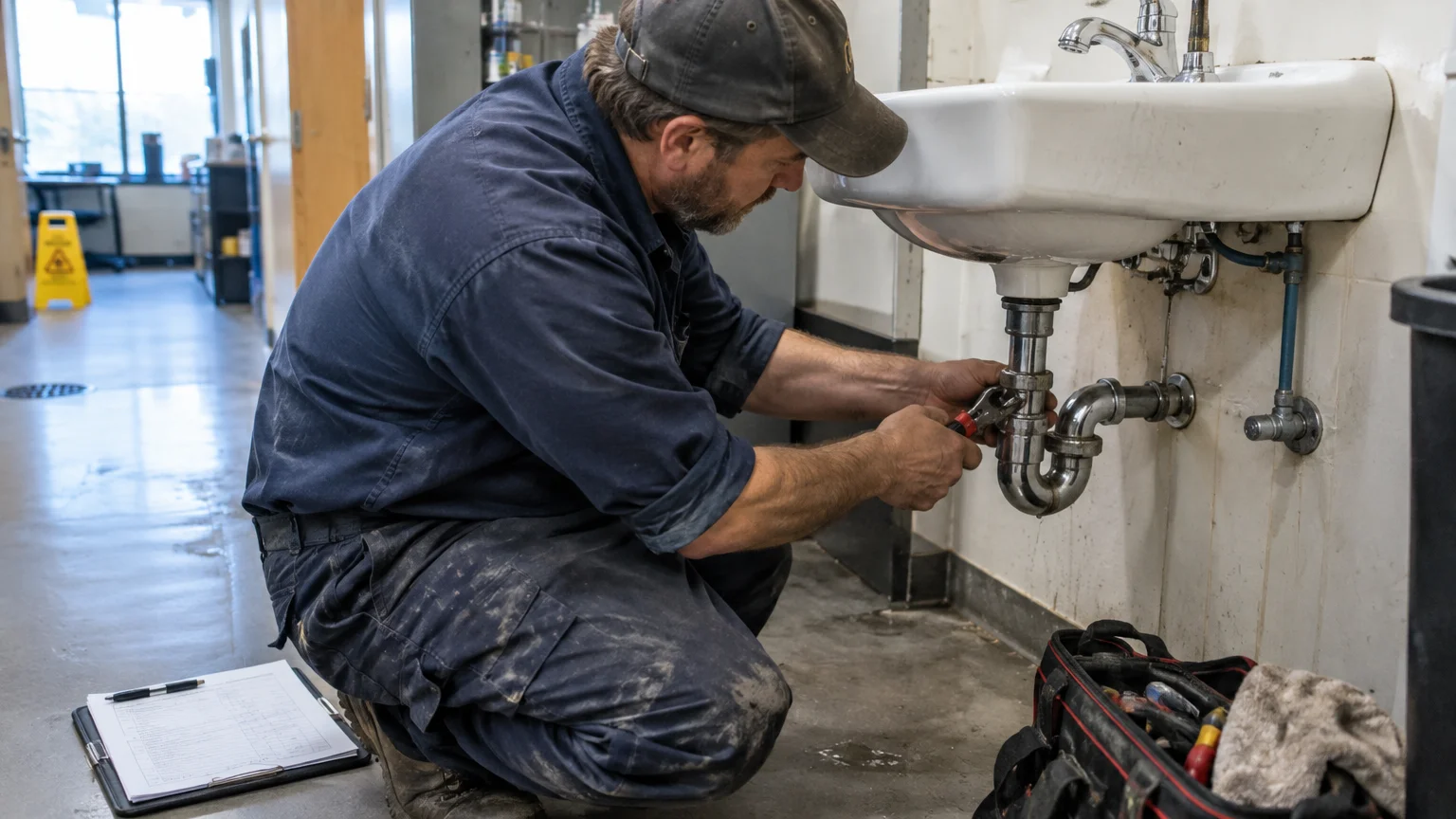
- What are the most common property plumbing problems?
- Which warning signs indicate a developing plumbing problem?
- How can leaks affect a commercial property?
- When does a blocked drain require professional attention?
- How often should property plumbing systems be inspected?
- What should property owners do during a plumbing emergency?
- How can owners prevent recurring property plumbing problems?
- Frequently Asked Questions
What are the most common property plumbing problems?
Common property plumbing problems include leaks, blocked drains, low water pressure, running toilets, water heater faults, and damaged pipes. Commercial buildings may also have trouble with sump pumps, backflow devices, shared water lines, and large drainage systems. One small fault can affect many rooms or tenants.
How commercial plumbing issues differ from residential problems
Commercial systems serve more people and often work for longer hours. A small fault in an office, shop, or apartment building can affect several suites. A blocked shared drain may also cause backups in more than one unit. Large pipes, valves, pumps, and water heaters can make the problem harder to find.
Residential plumbing usually has fewer fixtures and shorter pipe runs. Commercial sites may have kitchens, public restrooms, laundry rooms, tenant bathrooms, and plant rooms. These systems need clear records and planned care. Magnolia Texas Plumbing helps property owners decide which issues need quick help and which can be planned.
Which building systems deserve the closest attention?
Owners should watch supply pipes, drain lines, water heaters, shutoff valves, pumps, toilets, sinks, and gas-connected equipment. Gas work needs a trained professional. A gas smell is an emergency. People should leave the area, avoid flames and switches, and follow local emergency advice.
Water heaters also need close checks. Rusty water, odd sounds, leaks, and poor hot water can signal trouble. Services such as Water Heater Installation and Anode Rod Replacement Water Heater may help with planned care or replacement. Magnolia Texas Plumbing serves properties around Magnolia, including Downtown Magnolia, Mostyn Manor, Pinehurst, Stagecoach, Tomball, The Woodlands, and nearby communities.
Which warning signs indicate a developing plumbing problem?
A developing plumbing problem often gives signs before a major failure. Owners should take weak flow, slow drains, damp spots, sewer smells, and repeated fixture faults seriously. A simple log can show whether the issue affects one unit or the whole property.
Changes in water pressure, temperature, or drainage
Low pressure at one fixture may come from a valve, aerator, or local supply issue. Low pressure throughout a building may point to a larger pipe, valve, pump, or supply fault. Sudden high pressure can harm fixtures and pipe joints. Water that changes from hot to cold may signal a water heater or mixing valve problem.
Slow drainage is another useful warning. One slow sink may need cleaning, while several slow fixtures may share one blocked line. A toilet that keeps running may need a new flapper, fill valve, or float. Some owners can clean a fixture or replace an easy-to-reach toilet part safely. A hidden leak or shared pipe fault needs a professional check.
Odors, stains, sounds, and recurring fixture issues
Musty smells, sewage odors, brown marks, bubbling paint, and wet ceiling tiles can point to water or drain trouble. Drips behind walls may make sounds that are hard to trace. Gurgling drains can mean trapped air or a growing blockage. Repeated sink or toilet repairs may show that the main cause has not been found.
A property manager should note the location, time, weather, affected fixture, and steps already taken. This information helps a plumber test the right part of the system. It also gives owners a useful record for tenants, insurers, and future plumbing repair work.
How can leaks affect a commercial property?
Leaks can harm finishes, insulation, equipment, tenant goods, and building materials. They can stop business work and create slip risks. A small leak may look harmless, but hidden water can spread through walls, ceilings, floors, and service spaces.
Visible and hidden leaks in walls, ceilings, and foundations
Visible leaks may appear beneath sinks, near toilets, beside water heaters, or below open pipes. Hidden leaks may cause warm floors, damp smells, peeling paint, stained ceiling panels, or unexplained water use. A leak near a foundation can move through soil or concrete and may be hard to trace.
Owners should not open walls or touch electrical equipment to look for a leak. They may close a nearby shutoff valve when its purpose is clear and access is safe. If water reaches outlets, equipment, or panels, people should keep away and follow emergency safety guidance.
How moisture damage can affect tenants and building operations
Moisture can damage flooring, drywall, cabinets, stored goods, and business equipment. It may close a room or force a tenant to move work elsewhere. In a multi-unit building, water can travel between floors and affect people who did not cause the first fault.
A fast response should protect people first, limit water flow, and keep good records. Photos, videos, repair notes, and tenant reports can help explain the event. Kitchen Plumbing, Sink Repair, and water heater services may fix related fixture faults, but testing is needed to choose the right work.
When does a blocked drain require professional attention?
A blocked drain needs professional help when it returns, affects several fixtures, causes wastewater to rise, or creates sewage odors. A plunger may clear a simple local blockage. Repeated or shared-line problems need a proper check instead of repeated chemical treatment.
Why recurring clogs may point to deeper drainage problems
Recurring clogs can come from grease, wipes, scale, roots, damaged pipes, poor pipe slope, or a restriction farther along the line. Commercial kitchens can place extra strain on drains because of food waste and grease. In an apartment building, one unit may report the issue while the fault sits in a shared stack.
A safe first step is to stop using the affected fixture. Staff and residents should not pour harsh chemicals into an unknown blockage. These products can harm some pipes and create a danger for the person who later opens the line. Drain cleaning by a trained plumber can help find the cause and select a safe method.
Risks of ignoring slow drains and wastewater backups
A slow drain can become a full backup during busy use. Wastewater may spread across floors, enter nearby rooms, and expose people to harmful waste. It can also damage stock, furniture, flooring, and lower-level finishes.
Owners should treat sewage odors, rising water, and repeated backups as urgent signs. Tenants should report the issue quickly and avoid dirty water. Property managers should record the affected area, stop unsafe use, and arrange professional help. These steps protect people and give the plumber useful facts.
How often should property plumbing systems be inspected?
Property plumbing systems should be checked on a planned schedule. Extra checks may be needed after major repairs, tenant changes, severe weather, or repeated faults. The right plan depends on building age, occupancy, system design, and past problems. A qualified plumber can help set a useful schedule.
What to include in routine plumbing inspections
A routine check should review visible supply pipes, drains, valves, toilets, sinks, water heaters, pumps, and signs of leaks. It should also cover accessible plant areas and confirm that shutoff points are known and marked. Commercial kitchens may need closer checks of drains and grease control.
The inspection should record findings, photos, repair needs, and follow-up dates. It does not replace professional testing when a leak, gas concern, backflow issue, or hidden pipe fault is suspected. Clear records help owners compare new signs with older conditions.
How building age, occupancy, and usage affect inspection needs
Older buildings may have worn valves, aging pipes, old fixtures, or repairs from different periods. High occupancy puts more demand on toilets, sinks, drains, and hot water systems. Restaurants, laundry rooms, medical sites, and multi-tenant buildings may need closer checks.
New owners should review plumbing records soon after taking control. They should learn where the main shutoff, water heater, cleanouts, and key valves are located. Magnolia property owners can ask Magnolia Texas Plumbing about inspection priorities for offices, retail sites, rental buildings, and other managed properties.
What should property owners do during a plumbing emergency?
During a plumbing emergency, owners should protect people, stop water when safe, limit access, and arrange qualified help. The first goal is not to repair everything at once. It is to reduce injury, water spread, and harm to building systems.
Immediate steps to limit water damage and protect occupants
Property staff should follow these steps when conditions allow:
- Move people away from flooding, ceiling damage, exposed wires, and dirty water.
- Stop using nearby fixtures and close the right water valve if safe.
- Keep everyone away from electrical equipment touched by water.
- Place safe containers under small drips without climbing or entering unsafe areas.
- Record the time, place, visible damage, and steps already taken.
- Arrange emergency plumbing help and follow local safety instructions.
A gas smell needs a different response. People should leave the area, avoid flames and switches, and contact the right emergency service from a safe place. Gas line plumbing should be handled by a qualified professional.
Information to document for owners, managers, and plumbers
Useful records include unit numbers, affected rooms, fixture names, valve locations, photos, videos, tenant reports, and past repair dates. Staff should note whether water is clean, dirty, hot, cold, constant, or limited to one fixture. They should not guess at the cause or hide damage before recording it.
The owner or manager should also check whether nearby tenants need notice. Clear updates reduce confusion and help keep people away from unsafe areas. Magnolia Texas Plumbing can help property owners plan the next plumbing step.
How can owners prevent recurring property plumbing problems?
Owners can prevent recurring property plumbing problems with routine checks, fast reporting, clear tenant rules, and planned repairs. Prevention means more than fixing one leaking pipe. It means tracking patterns across the property and acting before small faults cause wide disruption.
Creating a maintenance plan for multi-unit and commercial buildings
A useful plan should list fixtures, shutoffs, water heaters, pumps, cleanouts, shared drains, and past repairs. It should set review dates for high-use areas and explain who reports faults. Tenants should know not to flush wipes, pour grease into sinks, or ignore slow drains.
Owners should group related repairs when it makes sense. Several running toilets may point to aging parts across one building. Repeated water heater faults may call for testing, anode rod service, or replacement planning. Bathroom Installations, Kitchen Plumbing, Sink Repair, and Water Heater Installation may help with larger upgrades when a small repair is not enough.
Key takeaways for protecting long-term property performance
- Treat small leaks, odors, and slow drains as early warnings.
- Track repeated fixture faults across every unit or tenant space.
- Keep shutoff locations and service records easy to find.
- Use professional testing for hidden leaks, gas concerns, shared drains, and major equipment.
- Give tenants simple rules for reporting and preventing plumbing damage.
Conclusion
Good property care starts with fast action and clear records. Owners who inspect key systems, respond to warning signs, and plan repairs can protect tenants and reduce disruption in Magnolia. Contact us today to arrange professional help with property plumbing problems from Magnolia Texas Plumbing.
Frequently Asked Questions
How can someone test for a gas leak?
People should not try to find a gas leak with a flame or by using electrical switches. A gas odor means occupants should leave the area and follow local emergency guidance. Gas line plumbing requires a qualified professional who can test the system safely and repair the source.
Why does a toilet keep running?
A toilet may keep running because its flapper, fill valve, float, or handle needs adjustment or replacement. An owner may check the tank when the area is dry and easy to reach. If several toilets have the same issue, or water leaks outside the tank, professional testing is wise.
What should a manager do if wastewater backs up?
A manager should stop using affected fixtures, keep people away from dirty water, and limit access to the area. The manager should record the location and damage, then arrange professional help. Repeated backups may point to a shared drain, damaged pipe, or deeper blockage.
Can a slow drain be fixed without a professional?
A simple sink blockage may respond to a plunger and careful cleaning of the drain stopper. Chemical cleaners should not be mixed or used when pipe condition is unknown. A recurring, foul-smelling, or multi-fixture blockage needs professional diagnosis before damage spreads.
How often should a commercial property have plumbing checks?
There is no single schedule for every building. Older properties, busy facilities, multi-unit buildings, and sites with repeated faults often need closer checks. Owners should review visible fixtures and records regularly, then ask a qualified plumber to set a plan based on use and system condition.
If you are not sure what you are dealing with, it is worth having someone look at it before it turns into a bigger job. Get in touch with Magnolia Texas Plumbing today and we will tell you where you stand.