To learn how to unblock a drain safely, first check which fixtures are affected and stop using them. A plunger may clear a small clog near a sink, tub, or toilet. Avoid harsh cleaners and deep tool use. Call a plumber for sewage, leaks, flooding, or clogs affecting several drains.
Table of Contents
- How can you tell what is causing a blocked drain?
- What should you do first when a drain is blocked?
- How can you unblock a drain with a plunger?
- Can hot water and dish soap clear a blocked drain?
- How do you clean a sink drain trap safely?
- Are chemical drain cleaners safe to use?
- How can you clear a drain without making the blockage worse?
- When should you call a 24-hour plumber for a blocked drain?
- What will a plumber do to diagnose and clear the blockage?
- How can you help prevent future drain blockages?
- Frequently Asked Questions
- Key takeaways
- Conclusion
How can you tell what is causing a blocked drain?
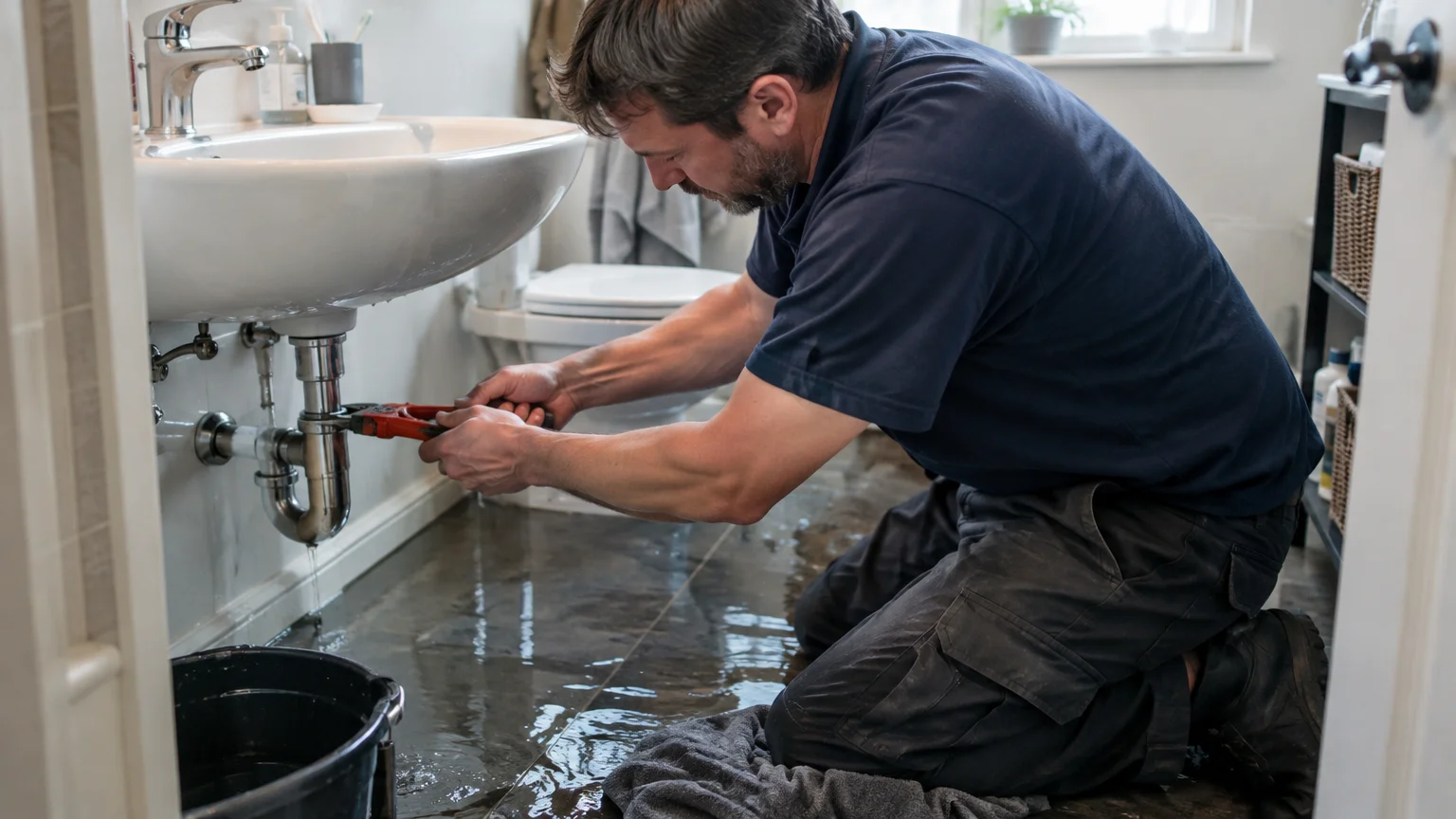
A blocked drain may cause slow flow, gurgling sounds, or water backing up. Which fixtures are affected can hint at where the clog sits. Notice what is happening, but do not run more water to test it. In Magnolia, pay attention to whether the problem affects one drain or several.
Recognize signs of a local or deeper blockage
One slow sink may have a clog near its stopper or drain trap. A drain trap is the curved pipe below a sink. It holds water to help keep sewer smells out of the room. Hair, soap, and food scraps can gather in or near this pipe.
A deeper clog may affect more than one fixture. For example, a toilet that bubbles when a nearby tub drains may share a blocked pipe. Gurgling, bad smells, or water rising in another fixture are warning signs. Stop running water and get help if you notice them.
Check which fixtures are affected
Look at nearby sinks, tubs, toilets, and floor drains. Do not flush a toilet or run a faucet if water is already rising. If several fixtures drain slowly, the issue may be beyond a small sink clog. Keep notes about what you see, so you can explain the problem clearly.
Homes in Magnolia may have different pipe layouts, depending on their age and design. Magnolia Texas Plumbing can help residents understand whether the issue seems limited or needs urgent attention. Do not take apart pipes that are hidden, damaged, or hard to reach. A safe first check is to look and listen, not to force a tool into the plumbing.
What should you do first when a drain is blocked?
Stop using the affected fixture and keep more water from entering the drain. This can lower the chance of an overflow or water damage. If water is rising, keep people and belongings away before trying any clearing method. Do not keep testing the drain by turning on a tap.
Stop using the affected fixture and limit overflow
Turn off the faucet or appliance that sends water to the drain. If a toilet is close to overflowing, do not flush it again. When it is safe, lift the tank lid and press the flapper down. The flapper is the rubber seal at the bottom of the tank. It helps stop more water from entering the bowl.
Do not turn valves or remove pipes unless you know what they do. If a fixture has an active leak, you may turn off its nearby valve if it is easy to reach and works normally. If water is spreading or you cannot find the source, seek urgent plumbing help. Keep away from standing water if you are unsure what it contains.
Protect people and belongings from wastewater
Keep children and pets away from backed-up water. Wastewater may contain germs, so do not touch it with bare hands. Move rugs, boxes, and other belongings only when you can do so safely. If you have gloves, use them when moving items near dirty water.
If water has reached an outlet, appliance, or light, do not step into it. Stay back and contact the proper emergency service if there is an immediate electrical risk. A plumber can work on the drain once people are safe and the area is clear. Avoid walking through water to reach a shutoff if electricity may be involved.
How can you unblock a drain with a plunger?
A plunger may clear a small clog near a sink, tub, or toilet opening. Choose one that fits the fixture, make a seal over the drain, and use steady, gentle pressure. Stop if water rises elsewhere or the clog does not start to clear. This is a reasonable home step when one fixture is affected and there is no sign of a deeper problem.
Choose the right plunger for the fixture
A flat cup plunger is made for flat sink and tub drains. A toilet plunger has an extended part that fits into the toilet outlet. The right shape helps make a good seal. The wrong one may not move enough water to help.
Remove a loose stopper or strainer only if it lifts out easily. Do not force stuck parts. If a sink has an overflow opening, cover it with a damp cloth. This helps keep air from escaping through that opening. Keep the cloth in place while you use the plunger.
Use a steady seal and controlled plunging technique
If the fixture is not full, add enough water to cover the plunger cup. Place the cup over the drain and press gently to make a seal. Then move the handle up and down with controlled strokes. Lift the plunger and check whether the water drains. Keep the pressure steady rather than pushing hard.
Try only a few times if the water level is safe and no other drain is affected. Do not plunge after adding chemical cleaner. Cleaner can splash onto skin or into eyes. If the clog stays, stop rather than forcing it deeper. A plumber can use professional Drain Cleaning tools that suit the drain and blockage.
Can hot water and dish soap clear a blocked drain?
Warm water and a little dish soap may loosen light grease in a kitchen sink. This gentle method will not clear every clog or reach a blockage deep in a pipe. Avoid boiling water, especially when you do not know the pipe material or fixture type. Do not try this if water is already standing in the sink.
When this gentle method may help
If the sink drains slowly and has no standing wastewater, add a small amount of dish soap. Follow it with warm water poured slowly from a safe container. The soap may help loosen greasy residue near the drain opening. Take care not to splash yourself or fill the sink.
Wait for the water to move through the pipe. Do not keep adding water if the sink begins to fill. Stop if the drain remains slow. A solid object, hair, food scraps, or deeper buildup may need another approach. Repeated pouring will not fix every kind of clog.
People often search for ways to clean a drain with vinegar and baking soda. The fizz does not show that a clog is gone. These household items may help with light residue, but they are not a sure fix for a blocked pipe. Never mix them with chemical drain cleaners or other products.
When hot water could damage pipes or fixtures
Boiling water can harm some plastic pipe parts, seals, or fixtures. It can also splash and cause burns. Use warm water instead, and only when the drain is open enough to let it flow away. Keep children away while you handle hot water.
Do not pour water into a drain if a sink, tub, or floor drain is overflowing. Stop using the fixture and check whether other drains are affected. Clogs that keep coming back need a proper check. Repeated pours of household mixtures may not reach the cause of the problem.
How do you clean a sink drain trap safely?
A homeowner may clean an easy-to-reach sink trap when there is no leak, chemical cleaner, or damaged pipe. Put a container below it before loosening any part. If the pipe is stuck, rusty, or hard to reach, leave it alone and call a plumber. Simple upkeep is often safe, but forcing old fittings can lead to leaks.
Prepare the area and place a container beneath the trap
Clear the cabinet and place a bucket below the curved pipe. Wear gloves and keep a towel nearby. Remove only items that lift out easily, such as a loose stopper or strainer. Do not force old or brittle parts. Make sure you have room to support the pipe while working.
If the trap has hand-tightened nuts, loosen them slowly while holding the pipe. Water and debris may spill into the bucket. Look for visible buildup in the trap. Rinse it into the bucket instead of letting the debris fall back into the drain. Do not continue if a fitting twists or will not move easily.
Put each part back in its original order and tighten it gently. Run a small amount of water while watching for drips. If a connection leaks, stop using the sink. Tighten it only if the part moves easily and you know how it fits. Otherwise, leave it in place and ask for repair.
Know when not to remove or loosen plumbing parts
Do not open a trap after using chemical cleaner. Some cleaner may remain in the pipe and splash onto skin or eyes. Tell the plumber what product you used and when. Never try to cancel out a drain cleaner with another chemical.
Skip this task if the sink has a disposal, the pipes look damaged, or several fixtures are affected. A wrong move may cause a leak or push debris farther into the drain. Magnolia Texas Plumbing offers plumbing support for drain problems that are not safe to handle at home. You do not need a professional to remove a loose strainer or clear visible hair, but leave risky plumbing work to a plumber.
Are chemical drain cleaners safe to use?
Chemical drain cleaners can hurt skin, eyes, pipes, or a plumber working on the drain. They may also fail to clear the clog. Avoid them when a drain is fully blocked, when another cleaner has been used, or when the product label does not fit the fixture. A safer choice is to stop and learn what is causing the blockage.
Risks to people, pipes, and plumbers
Some products make strong fumes or can cause burns. A blocked drain may hold the cleaner in place. This raises the chance that it will splash during plunging or pipe work. Never mix a drain cleaner with bleach, vinegar, or another cleaning product.
Some cleaners may also harm certain pipes or finishes. Follow the product label if you have already used one, and keep people away from the drain. Do not plunge or open the trap afterward unless the label says it is safe. If you are unsure, wait and tell the plumber what you used.
What to do if a chemical cleaner has already been used
Tell anyone who may work on the drain what product went in and when. Do not add more cleaner or another household mixture. If the product touches skin or eyes, follow the label directions and get medical help when needed. Keep the product container so you can share its name.
If fumes are strong, leave the area and get fresh air. Do not lean over the drain to look inside. A plumber needs to know about the chemical before starting work. Share the product name if you can find it safely. Keep other people out of the room until it is safe to return.
How can you clear a drain without making the blockage worse?
Use gentle methods only when one fixture is affected and water is not backing up elsewhere. Do not push a tool far into an unknown pipe or repeat the same attempt many times. Stop if water rises, a leak appears, or the clog stays in place. The goal is to avoid turning a small problem into drain repair.
Avoid forcing tools deep into the pipe
A small hand tool may remove hair near the drain opening if you can use it without force. Do not push wire, rods, or a drain snake far into a pipe you cannot see. A tool may catch on a fitting, harm a pipe, or pack debris more tightly. Take care not to scratch or break the drain opening.
A plumbing snake is a flexible tool used to reach and loosen clogs. Using a drain plumbing snake takes care. The right tool and method depend on the fixture and pipe. Do not use one after adding chemical cleaner or when you do not know how the drain is built.
Drain cleaning enzymes are sold for regular upkeep. They do not work like an instant fix for a serious blockage. Read product directions and never mix products. If a clog keeps returning, a plumber can look for a cause that household products cannot reach. This can help prevent the same drain from slowing again.
Stop repeated attempts if water backs up or drains slowly
A drain that clears for a short time and then slows again may have a clog farther down. Repeated plunging, pouring, or snaking can make the problem harder to clear. Stop if another fixture starts to gurgle or fill. These signs can mean several drains share the problem.
Do not try to clear an air conditioning drain line through a sink or another household drain. That line is part of a different system and may need separate care. If you cannot tell which line is blocked, leave it alone. Ask a plumber to identify the problem before trying another fix.
When should you call a 24-hour plumber for a blocked drain?
Call a 24-hour plumber when sewage backs up, water spreads, or several fixtures stop draining. Seek emergency plumbing help for a leak, flooding, or danger to someone at home or work. Do not wait for a clog to get worse before asking for help. Fast action can limit damage and keep people away from dirty water.
Urgent signs such as sewage backup or widespread blockages
Sewage coming through a toilet, tub, or floor drain needs prompt attention. Avoid touching the water and keep people away from the area. A blockage affecting several fixtures may point to a main drain problem. A plunger is not a safe way to fix that kind of issue.
A business may need urgent help if a blocked drain affects restrooms, food preparation, or safe access. Stop using the affected fixtures and follow workplace safety steps. Emergency Plumbing can help with urgent clogs, leaks, and other plumbing problems. Tell the plumber which parts of the property are affected.
Situations involving leaks, flooding, or vulnerable occupants
Ask for help if water is spreading into floors, walls, or cabinets. A leak can cause damage even when the drain seems partly clear. Tell the plumber if the property has older adults, small children, or someone who depends on working water or sanitation. Keep the path to the affected area clear when it is safe.
Residents can contact Magnolia Texas Plumbing when a blockage is beyond safe home checks. Keep the affected area clear and explain which fixtures are involved. Do not run more water if it causes another backup. If a leak or flood is active, put people first and avoid touching water near electrical equipment.
What will a plumber do to diagnose and clear the blockage?
A plumber will ask what happened, check which fixtures are affected, and look at the drain. They will choose a clearing method that fits the pipe and the clog. After the work, they can test the flow and check for signs that the blockage remains. This helps show whether the drain is working as it should.
Assess the drain and locate the obstruction
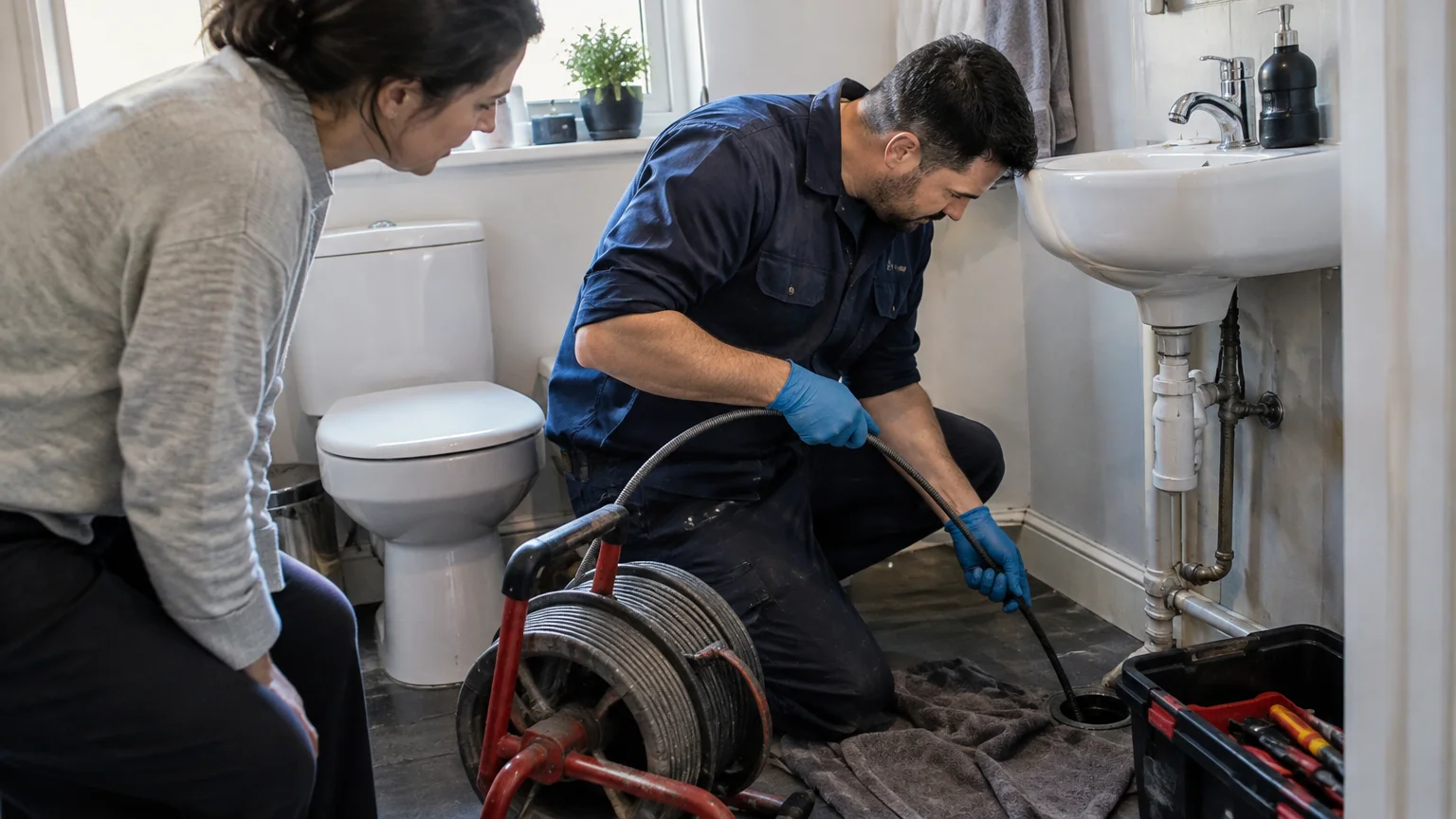
The plumber may ask when the drain slowed and whether other fixtures changed. They may also ask if anyone used a cleaner or tool. These details can help narrow down the cause. The plumber may look at accessible pipes and check for leaks or signs of damage.
For a simple clog, the plumber may use a hand tool or professional drain equipment. A deeper or recurring blockage may need more checks. The right plan depends on the pipe layout, the type of blockage, and what the first look shows. Avoid guessing at a hidden pipe problem while you wait.
Choose a clearing method and check that flow is restored
The plumber will choose a method that suits the drain and the clog. They may clear debris, remove buildup, or suggest more checks if the blockage keeps returning. The aim is to restore flow without harming the pipe. The steps can differ from one drain to another.
They can run water and watch how it drains. If they find signs of a larger issue, they can explain what they saw and what repair may be needed. Water Heater Repair and Toilet Repair may also matter when the problem is with those fixtures, rather than a drain clog. Share any changes you notice after the work.
How can you help prevent future drain blockages?
Keep grease, wipes, hair, and food scraps out of drains. Use a strainer where it fits and remove visible debris before it enters the pipe. If a drain keeps slowing down, arrange a check instead of relying on the same home remedy. Simple habits can help reduce common clogs.
Keep common clog sources out of drains
A few easy habits can lower the chance of buildup. Put food scraps and cooking grease in the trash, not the sink. Wipe greasy pans before washing them. In bathrooms, remove hair from drain covers and put wipes and cotton items in a bin.
- Use sink strainers to catch food and small bits of debris.
- Put wipes, paper towels, and hygiene items in the trash.
- Remove visible hair from tub and shower covers.
- Keep grease, oil, and coffee grounds out of the sink.
- Follow appliance directions for safe drain care.
Recognize recurring slow drainage as a reason for inspection
A drain that slows again soon after clearing may have a deeper cause. Watch for gurgling, bad smells, or more than one affected fixture. These signs are useful to share with a plumber. Keeping track of when the problem returns can also help explain what is happening.
Simple cleaning and upkeep are safe for many homeowners. You do not need a professional to remove a loose strainer, clear visible hair, or use a properly fitted plunger on a small clog. Call a professional for repeat blockages, sewage, leaks, flooding, or damaged parts that are hard to reach. Do not try to repair plumbing if you are unsure how it works.
Frequently Asked Questions
Can vinegar and baking soda unblock a drain?
They may loosen some light residue, but they are not a sure fix for a serious clog. The fizz does not mean the pipe is clear. Do not use them with chemical cleaners. If water stands or backs up, stop adding products and seek help.
Should boiling water be poured down a blocked drain?
No. Boiling water can burn you and may harm some pipe parts, seals, or fixtures. Warm water may help with light grease when the drain is open and flowing. Do not pour water into a full or backing-up sink.
When should a homeowner stop using a plunger?
Stop if water rises in another fixture, a leak appears, or a few gentle tries do not help. Never plunge after using chemical drain cleaner. These signs may point to a deeper clog or a risk of splashing harmful liquid.
Can a plumbing snake damage a pipe?
Yes. The wrong tool or too much force can harm a pipe or catch on a fitting. Avoid deep tool use if you do not know the pipe layout, a cleaner was used, or several fixtures are affected.
What does it mean when several drains clog at once?
Several slow or backed-up fixtures may point to a clog in a shared or deeper drain line. Stop using affected fixtures, especially toilets and tubs. Contact a plumber if water backs up, smells like sewage, or will not drain.
Key takeaways
- Check how many fixtures are affected before trying a fix.
- Stop running water when a drain backs up or overflows.
- A well-fitted plunger may clear a small clog near the drain.
- Avoid chemical mixtures and forceful use of drain tools.
- Call a plumber for sewage, flooding, leaks, or repeat clogs.
Conclusion
A small clog may clear with careful plunging or simple cleaning. Stop if water rises, more than one fixture is affected, or the clog returns. These signs may point to a deeper problem that needs a plumber. Magnolia residents can turn to Magnolia Texas Plumbing when a blocked drain is not safe to handle at home.
If you are not sure what you are dealing with, it is worth having someone look at it before it turns into a bigger job. Get in touch with Magnolia Texas Plumbing today and we will tell you where you stand.