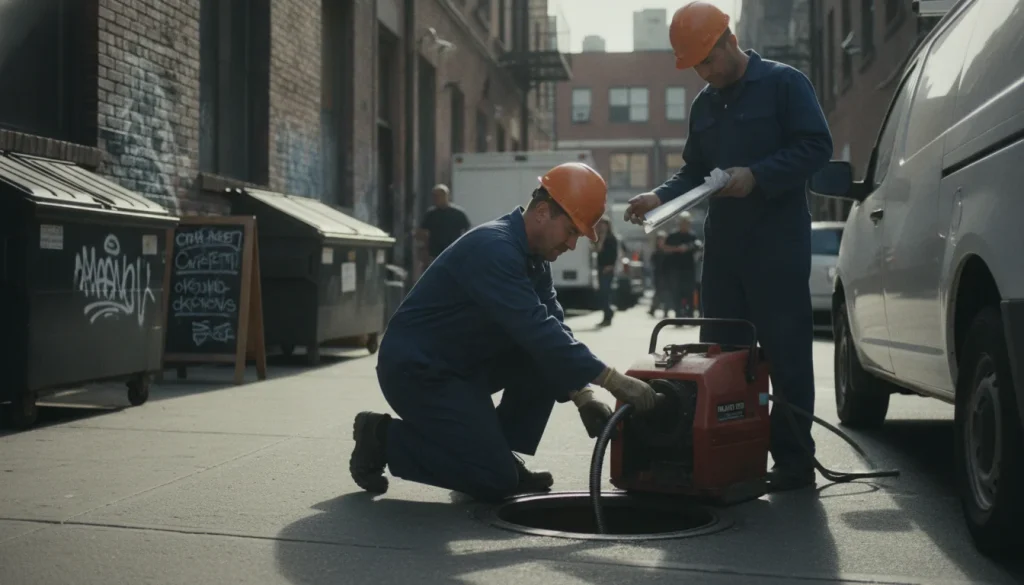
Commercial drain cleaning cost depends on the line size, how easily the plumber can access the clog, the severity of the blockage, and whether snaking, hydro jetting, or a camera is required. Most visits include diagnosis, clearing the line, and a flow test; written scopes help you compare what each quote actually includes.
Table of Contents
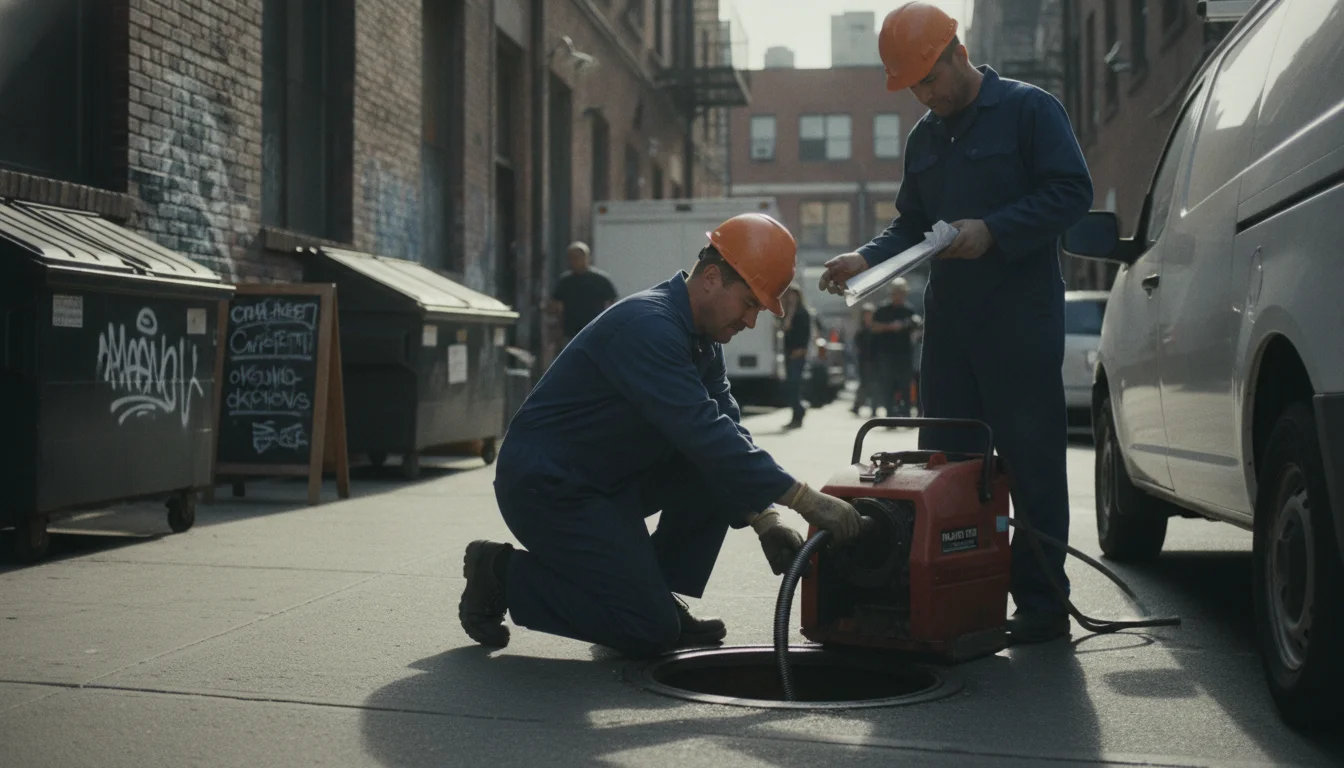
- What is the average drain cleaning cost for commercial properties?
- Which factors affect commercial drain cleaning cost the most?
- How do methods compare: snaking vs. hydro jetting vs. camera inspection?
- What should I expect to pay for emergency, after-hours, or weekend service?
- How can I get accurate quotes and avoid surprise charges?
- Are maintenance plans and grease management worth it for businesses?
- How do I choose a reputable commercial plumber I can trust?
- Key takeaways
- Frequently Asked Questions
- Conclusion
What is the average drain cleaning cost for commercial properties?
Most commercial drain cleaning jobs are priced by the time on site, the clearing method, and how the plumber reaches the line. A standard visit includes diagnosis, opening the drain, and testing flow. Costs differ by fixture type, building rules, and when the work happens. A written scope clarifies what’s included so quotes are comparable.
A commercial drain is any pipe that carries wastewater from fixtures to the building’s main line. Common fixtures include floor drains, mop sinks, kitchen lines, and restroom groups. The main line is the larger pipe that directs waste to the municipal sewer. Food-service sites add grease traps, which hold fats, oils, and grease to protect downstream piping. Each of these has distinct access points and cleaning needs in Magnolia businesses.
Floor drains tend to clog with silt, mop debris, or food scraps. They’re often accessible but can sit in tight or low spaces. Restroom lines back up from paper and hygiene products. Kitchen lines see heavy grease and sludge. Main lines convey everything, so backups there disrupt entire facilities. Grease traps require pumping and line cleaning to keep flow steady and meet local expectations in Magnolia.
What’s normally included in a service visit? Expect basic diagnosis, safe tool setup, clearing the line, and a final flow check. Cleanup around the work zone and simple trap reassembly are common. Added time for deep blockages, roof access, or confined-space work can raise the bill. Camera inspection, hydro jetting, and debris hauling are typically separate line items.
Typical inclusions to confirm in writing:
- Accessing the clog point and safety setup
- One method (snaking or a basic jet) and a final flow check
- Cleanup of the work area and disposal of small debris removed on site
Which factors affect commercial drain cleaning cost the most?
Drain cleaning cost changes with what the team can reach, what tools fit the pipe, and how quickly they can restore flow. The biggest variables are pipe size, access, blockage type, and timing. A clear site and a simple map of cleanouts help reduce time on site for Magnolia properties.
Line size matters. Larger lines—like a building main—need heavier equipment and more power. Long runs with multiple bends slow progress. Access is next. If a cleanout is blocked by shelving or a walk-in cooler, setup time increases. If a roof vent is the best entry point, safety gear and extra technicians may be required.
Blockage severity changes the plan. Soft clogs (paper or food) may clear with a small cable. Heavy scale, tree roots, or built-up grease often require hydro jetting. Hydro jetting uses high-pressure water to scrub pipe walls clean, restoring diameter more fully but adding setup and skill demands. A camera inspection helps pinpoint the cause so the fix lasts.
Time of day influences cost. After-hours or weekend calls often carry higher rates to cover overtime and mobilization. In busy areas of Magnolia, travel and parking constraints can add time to the job.
Building type also shapes the scope. Restaurants with grease traps have compliance steps and specific waste-handling rules. Healthcare sites may require infection-control procedures. Retail environments can limit work hours to protect customer access. Disposal rules can add fees when waste must be contained or hauled to a designated site.
Key cost drivers to share in advance:
- Pipe size, material, and known cleanout locations
- What backed up, where it showed, and when it started
- Access limits, security steps, and approved work hours
How do methods compare: snaking vs. hydro jetting vs. camera inspection?
Snaking, hydro jetting, and camera inspection each have a role. The right choice depends on the clog and your goal. Snaking breaks the blockage to restore flow quickly. Hydro jetting cleans the pipe walls. A camera reveals what caused the clog and where it sits.
Snaking uses a rotating cable with a cutting head. It’s fast for soft clogs in small or mid-size lines and can punch through grease or paper. But it can leave residue on the walls, allowing repeat clogs. Snaking is well-suited to routine restroom or floor drain issues.
Hydro jetting propels high-pressure water down the line to scour grease, scale, and sludge. It can also dislodge many root intrusions in exterior lines. Jetting is ideal for kitchen lines, long mains, and recurring blockages. Because it cleans rather than just opens, it often extends the time between service visits in busy Magnolia kitchens and venues.
A camera inspection feeds a small video camera into the pipe to reveal cracks, bellies (low spots), roots, or grease liners. It can also confirm the city connection is clear. Recording the video helps plan targeted repairs or set a preventive maintenance schedule. It’s commonly added after flow is restored.
Add-ons and upgrades that change the final bill:
- Camera inspection with a recorded file and line locate on site
- Access repairs (stuck cleanout caps, corroded traps) and safety setup
- Enzyme dosing or grease trap service after cleaning
When to pick each method: Use snaking for simple, first-time clogs. Choose hydro jetting for heavy grease, scale, or repeat issues. Add a camera when the cause is unclear, the line is older, or you plan repairs. Combining methods can deliver a longer-lasting result.
What should I expect to pay for emergency, after-hours, or weekend service?
Emergency calls move quickly, but urgency affects the total cost. After-hours work often uses higher rates to cover rapid response, overtime labor, and travel. Many providers have a minimum charge for urgent calls, with time billed after that. Having clear access and a decision-maker on site shortens the visit.
A call-out fee is a set charge to mobilize a crew and may include the first block of labor. Minimums specify the least billable time, such as the first hour. Travel charges may apply for longer distances or congested areas. Parking limits and site access can add time if the crew must hand-carry heavy gear.
How about weekend or holiday work? Expect premium rates because of staffing and limited supplier hours. If a special cap or part is needed and supply houses are closed, a temporary solution may be installed until normal hours.
Avoid repeat emergencies with a plan. Hydro jetting followed by a camera review can map problems. A recurring maintenance plan schedules cleanings ahead of peak periods. For restaurants, combine line cleaning with grease trap service. For large facilities in Magnolia, stagger service by zone so kitchens and restrooms remain available.
Steps to cut emergency costs next time:
- Keep cleanouts clear and labeled on a simple site map
- Approve preventive cleanings during low-traffic hours
- Train staff on what not to flush or pour down drains
For true water-damage risks, Emergency Plumbing can move fast to isolate affected lines. If a clog becomes an overflow, having a go-to plan saves time and reduces loss.
How can I get accurate quotes and avoid surprise charges?
Accurate quotes start with a clear scope of work. The scope lists what will be done and what could add cost. Share site details, permitted work hours, access limits, and safety rules. Ask which method is proposed and what success will look like. A strong quote sets expectations in plain language.
Use a short briefing checklist. Include the fixture type, symptoms, and where backups showed. Note pipe size and material if known. Add photos of the area and any prior reports. Share building rules such as loading dock hours, sign-in steps, and required badges. Tell the plumber if the job is inside a food prep area or a healthcare zone.
Watch for red flags: vague language, no mention of cleanup, or open-ended travel charges. Clarify add-ons such as camera work—ask for a deliverable video file. Confirm how debris will be handled. Verify whether enzyme dosing or grease trap service is separate. Make sure billable time starts on arrival (unless otherwise stated) rather than from the shop.
Scope checklist to share with plumbers:
- Line type (floor drain, kitchen line, main), size, and material
- Symptoms (slow drain, gurgling, overflow) and first known time
- Cleanout locations, ladder needs, and confined spaces
- Allowed work hours, security steps, parking, and dock access
- Desired outcome (restore flow, full clean, camera record)
Finally, request a simple work summary after the visit. It should state the cause found, method used, and any recommended repairs. Keep these records; they guide the next visit and support any warranty terms offered.
Are maintenance plans and grease management worth it for businesses?
Maintenance plans schedule cleanings and checks to prevent clogs and downtime. For busy kitchens and large sites, planned service typically costs less than repeated urgent calls over time. A plan can bundle hydro jetting, enzyme dosing, and periodic camera checks by quarter or season for Magnolia facilities.
Grease management is essential in food service. A grease trap slows wastewater so fats, oils, and grease can settle. Regular pumping and line cleaning keep grease from coating pipes. Poor grease control leads to backups, odors, and health code issues. A steady schedule keeps kitchens open and compliant.
Typical plan scope includes pre-clean checks, cleaning by the selected method, and a post-clean flow test. Many plans add incident response during set hours. Some include staff training on what to avoid pouring down sinks. The right interval depends on volume: busy sites may need monthly or bi-monthly service, while lower-volume operations may run quarterly.
Compare plan costs to reactive calls. Add the price of downtime, cleanup, and lost sales. A single backup that closes a dining room during peak hours can outweigh a year of planned service. Plans also help forecast spend so budgeting stays predictable.
Signs a plan will pay off:
- Repeat clogs in the same line within months
- Heavy grease or scale found during past cleanings
- Limited access hours that make emergencies costly
- Health or safety rules that require documented service
Ask your provider how Drain Cleaning pairs with grease trap service. A combined visit can reduce total labor time. For properties with tanks or pumps, coordinate with Water Tanks and Kitchen Plumbing teams so all systems stay aligned.
How do I choose a reputable commercial plumber I can trust?
Begin with licensing and insurance. A licensed plumber has proven code knowledge and safe work practices. Ask for proof of general liability and workers’ compensation. Confirm they follow OSHA safety rules on ladders, confined spaces, and personal protective equipment. Clear safety steps protect your people and their crew.
Experience with your building type is crucial. Restaurants, warehouses, hospitals, and schools each present specific needs. Ask for examples of similar projects. A capable provider will explain how they handled access limits, permits, or health controls—and how camera findings led to durable fixes.
Check references and the response process. How fast do they confirm schedules? Do they provide written scopes and post-job notes? Do they keep a service history for your site? A reliable team will describe how they manage urgent calls, parts delays, and site rules. They should respect your approved hours and public-facing areas in Magnolia.
Questions to ask before you schedule service:
- Do you regularly handle commercial plumbing work in Texas?
- What methods do you recommend for this line and why?
- Will you provide a camera video and a simple report if needed?
- How do you price after-hours calls and travel time?
- How do you protect floors, food areas, and public spaces?
Magnolia Texas Plumbing works across Magnolia every week to help local shops, offices, and kitchens keep drains clear. The team can align Emergency Plumbing support with planned Drain Cleaning to limit disruptions and protect your brand. Ask how service can be staged so doors stay open during peak times.
Key takeaways
- Drain cleaning cost depends on line size, access, method, and time of day.
- Snaking opens a clog fast; hydro jetting cleans the pipe walls for longer relief.
- Camera inspection finds the cause and guides repairs or maintenance plans.
- Clear scopes, photos, and site rules lead to accurate, fair quotes.
- Maintenance and grease control cut downtime and emergency spending.
Frequently Asked Questions
How long does commercial drain cleaning usually take?
Most simple clogs clear within the first service window. Tough blockages, roof access, or long runs take longer. Adding hydro jetting or a camera adds setup time. Clear access and a known cleanout help the crew work faster and reduce the total drain cleaning cost.
Is hydro jetting safe for older pipes?
Yes, when a trained technician verifies pipe condition first. A camera check helps spot weak joints or cracks. Pressure is matched to pipe size and material. If a section is fragile, snaking or targeted cleaning may be used instead to protect the line.
Do I need a camera inspection every time?
Not always. If the clog is simple and rare, a quick snake may be enough. Use a camera when clogs repeat, lines are older, or you plan repairs. A video record helps plan future work and set a cleaning schedule that prevents surprise backups and business downtime.
What should staff avoid putting down drains?
Avoid wipes, paper towels, food scraps, coffee grounds, and cooking grease. In kitchens, scrape plates and use strainers. In restrooms, post simple signs about what to flush. Staff training is a low-cost step that prevents many clogs and keeps service visits short and predictable.
Who should I call if a drain backs up after hours?
Call a licensed commercial plumber who offers Emergency Plumbing. Ask about after-hours rates and minimums. Share a simple site map and access rules. Keep a contact list ready at the front desk. Fast, clear information speeds response and helps control total cost for the visit.
Conclusion
Clear drains protect your business, staff, and guests. Costs vary with line size, access, method, and timing. A solid scope and the right method prevent repeat calls. For help planning service and scheduling work Magnolia Texas Plumbing can coordinate Drain Cleaning, Emergency Plumbing, and camera work to fit your hours. Contact us.
If you are not sure which of these you are dealing with, it is worth having someone look at it before it turns into a bigger job. Get in touch with Magnolia Texas Plumbing today and we will tell you where you stand.