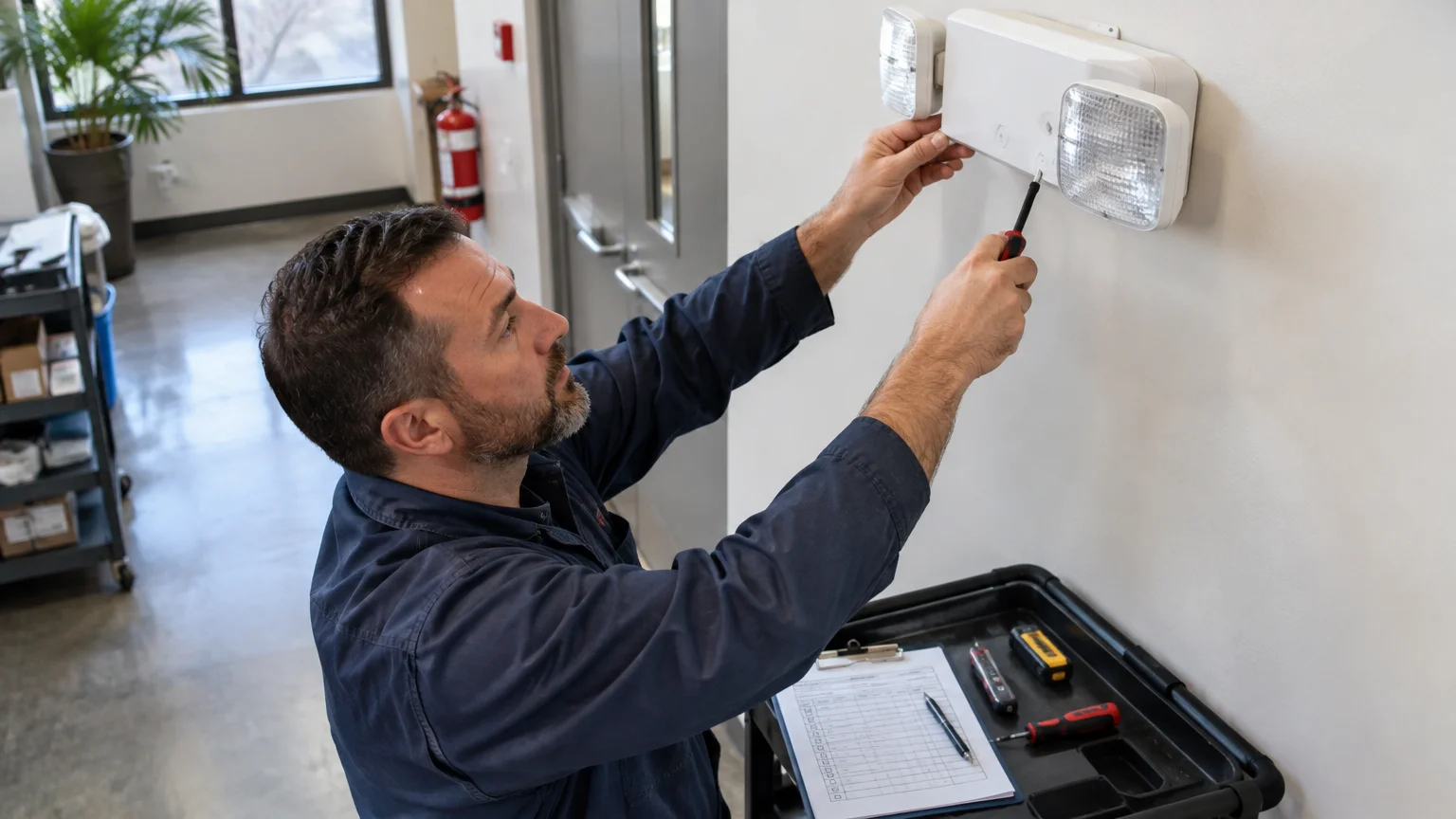
An emergency fixture repair checklist helps you take safe first steps when a toilet, faucet, or other plumbing fixture fails. Stop the water only if you can reach the shutoff safely, keep clear of electrical hazards, and move belongings away from water. Then note what happened so a plumber can understand the problem.
What should you do first during a fixture plumbing emergency?
How can you shut off water at the fixture or main valve?
First, try to stop water flowing to the broken fixture, but only if it is safe. Many toilets and sinks have a small shutoff valve on the nearby wall or floor. Turn the handle gently to the right. Do not force a rusty or stuck valve, as it could break or start leaking.
If the fixture valve does not stop the water, try the home’s main shutoff valve. Its location differs from home to home, so it helps to know where it is before trouble starts. If you cannot reach it safely, or it will not turn, stay clear of the leak and tell the plumber. Do not use tools that might damage the valve.
Closing a toilet’s valve may stop a toilet that keeps running. For an overflowing toilet, the valve is often near the base. A faucet may have separate hot and cold supply valves under the sink. If water keeps coming, do not assume the fixture is safe just because the flow has slowed.
When should someone turn off electricity or avoid the area?
Water near electricity can cause serious harm. Keep people away if water is near outlets, appliances, cords, or an electrical panel. Do not walk through standing water to reach a switch or valve. Only turn off power from a dry, safe place. If you cannot do that, wait for trained help.
A gas smell needs a different response. Do not use a flame to check for a gas leak, and do not operate switches near the smell. Leave the area, then contact the gas utility or emergency services from a safe place. A fixture leak does not mean there is a gas leak, but any gas odor needs quick attention.
How can you limit water damage while waiting for a plumber?
What safe steps help with leaks, overflowing toilets, and broken faucets?
Once the water is off, put a bucket or shallow pan under a small drip if the area is safe. Use towels to soak up water on a hard floor. Keep electrical devices, including shop vacuums, away from wet areas. If water keeps spreading, move people and pets out of the room.
If a toilet is overflowing, close its supply valve if you can. Do not flush it again to test it. Keep children and pets away from dirty water. If dirty water comes up through a sink or tub, avoid touching it. Do not pour drain cleaner into the drain; it can make later repair work unsafe.
A broken faucet may still leak after you turn its handle off. If so, close the nearby supply valves instead of taking the faucet apart. You can safely wipe up a small amount of clean water and move items out of the way. Leave stuck parts, damaged pipes, and leaks near wires to a professional.
What should be moved, contained, and documented?
Move rugs, paper goods, electronics, and other belongings away from water when you can do so safely. If a cabinet is wet, leave its doors open so the area can dry. Put a bucket under drips. Do not cut into walls or pull up flooring to look for a leak. Hidden damage needs proper checks before anyone opens the area.
Take clear photos of the fixture, the leak, and any damage you can see. Write down when the problem began and whether closing a valve changed the water flow. These details help the plumber understand what may be needed. They also give a property owner a clear record to share with a landlord or insurer.
If water pressure drops across the home, the problem may affect more than one fixture. Note which taps are affected and whether the pressure changes. Do not guess at the cause. Clear notes can help the plumber check for a wider water supply issue or the need for pipe repair.
What information should you gather before the plumber arrives?
How can someone describe the fixture problem and when it began?
A clear description helps the plumber prepare to check the problem. Name the fixture, say what it is doing, and share when the issue began. For example, a toilet that keeps running may have a worn part inside its tank. A leaking toilet fill valve may also let water keep flowing into the tank.
For a faucet, note whether water leaks from the handle, spout, or pipe below the sink. For a shower, say if water keeps coming after you turn off the controls. For a garbage disposal, describe any leak, jam, or loss of power. Never put your hand inside the unit, even if it seems to be off.
If a toilet will not refill or keeps running, do not flush it again and again. You can look inside the tank without taking parts apart. Do not force or adjust a stuck valve. Toilet fill valve repair may need a part that fits the fixture. A plumber can check if the valve or another part is causing the issue.
How can someone identify the fixture, shutoff valve, and affected rooms?
Before help arrives, note where the fixture is and whether a shutoff valve is nearby. Tell the plumber if the problem is in a kitchen, bathroom, basement, or business space. Mention any water in another room, a ceiling, or a cabinet. Photos can show details that may be hard to explain in words.
Share any steps you have already taken, including whether you closed a valve. Also mention odd sounds, smells, or changes in water pressure. Do not say there is a gas leak based only on a plumbing problem. If you smell gas, leave and contact the right emergency service from a safe place.
Magnolia Texas Plumbing can help homeowners and property managers know what details to share about a fixture issue. In Magnolia, the next steps may depend on the type of property, access to the fixture, and which parts are involved. A short, clear description helps the plumber focus on what to check first.
Which fixture problems need immediate professional repair?
What signs point to hidden leaks, sewage exposure, or worsening damage?
A leak that continues after you shut off the water needs prompt attention. The same is true for wet spots on a ceiling, water inside a wall, a soft floor, or a leak near electrical equipment. These signs may point to damage beyond the fixture you can see. Keep people away from unsafe areas, and do not open walls or ceilings.
Treat sewage or dirty backup water with care. Keep children and pets away, and avoid touching it. Do not try to clear a serious backup with household chemicals. A plumber can find the cause and advise you about safe cleanup. A blocked fixture affecting several drains may need more than a simple sink or toilet repair.
A small faucet drip may be able to wait if its supply is off and the area stays dry. A burst line, fast leak, or toilet that will not stop overflowing is more urgent. Emergency Plumbing and Toilet Repair can help with problems that cannot safely wait for routine service. A water heater leak or loss of hot water may also need Water Heater Repair.
Why should temporary fixes not replace a proper repair?
A towel, bucket, or closed valve can help control water for a short time. It does not fix a cracked fitting, worn seal, or faulty valve. Tape and household glue may fail when water pressure returns. A temporary patch can also hide a leak and delay a lasting plumbing repair.
Some checks do not need a professional. You can look for the fixture’s shutoff valve, move belongings, take photos, and wipe up a small amount of clean water. Stop and call a plumber if a valve is stuck, a leak is hidden, water is near electricity, or sewage is present. A running toilet, broken faucet, or garbage disposal problem that continues also needs a proper check.
Key takeaways
- Shut off water only when you can reach the valve safely.
- Keep people away from electrical hazards and dirty water.
- Move belongings, take photos, and note what changed.
- Use simple cleanup for small amounts of clean water.
- Get professional help for hidden leaks, stuck valves, and sewage.
Conclusion: A calm response can limit damage and help keep people safe. This emergency fixture repair checklist gives homeowners, tenants, and property managers useful first steps. Homeowners in Magnolia can use these steps to share clear details and protect their property. It also helps you tell a temporary measure from a lasting repair. Magnolia Texas Plumbing serves properties, where clear details can help the plumber understand what needs attention.
If you are not sure what you are dealing with, it is worth having someone look at it before it turns into a bigger job. Find out more about our emergency plumbing in Magnolia. Get in touch with Magnolia Texas Plumbing today and we will tell you where you stand.