A homemade drain snake may help remove a shallow clog near a sink or tub opening. For a small hair blockage, a plastic drain-cleaning strip is usually safer than a wire hanger. Use gentle movements, stop if the tool meets firm resistance, and call a plumber when several drains clog or dirty water backs up.
A slow drain can make it tempting to use whatever is close by. Magnolia Texas Plumbing can help Magnolia property owners understand when a simple check is reasonable and when a clog needs professional care. The main rule is simple: pick a tool made for the drain, and never force it into a pipe.
Table of Contents
- What is a homemade drain snake?
- Which household items can help clear a minor drain clog?
- How can you try a homemade drain snake safely?
- When should you use a plunger instead of a drain snake?
- What should you avoid when clearing a drain yourself?
- How can you tell whether a clog needs professional attention?
- How can you help prevent future drain clogs?
- Frequently Asked Questions
- Key Takeaways
- Conclusion
What is a homemade drain snake?
A homemade drain snake is a simple household tool used to catch or loosen a small clog near a drain opening. It cannot reach or control a blockage like a plumbing snake made for drain work. For a minor clog, a plastic cleaning strip may lift hair before it moves farther into the pipe.
How a hand-operated drain snake works
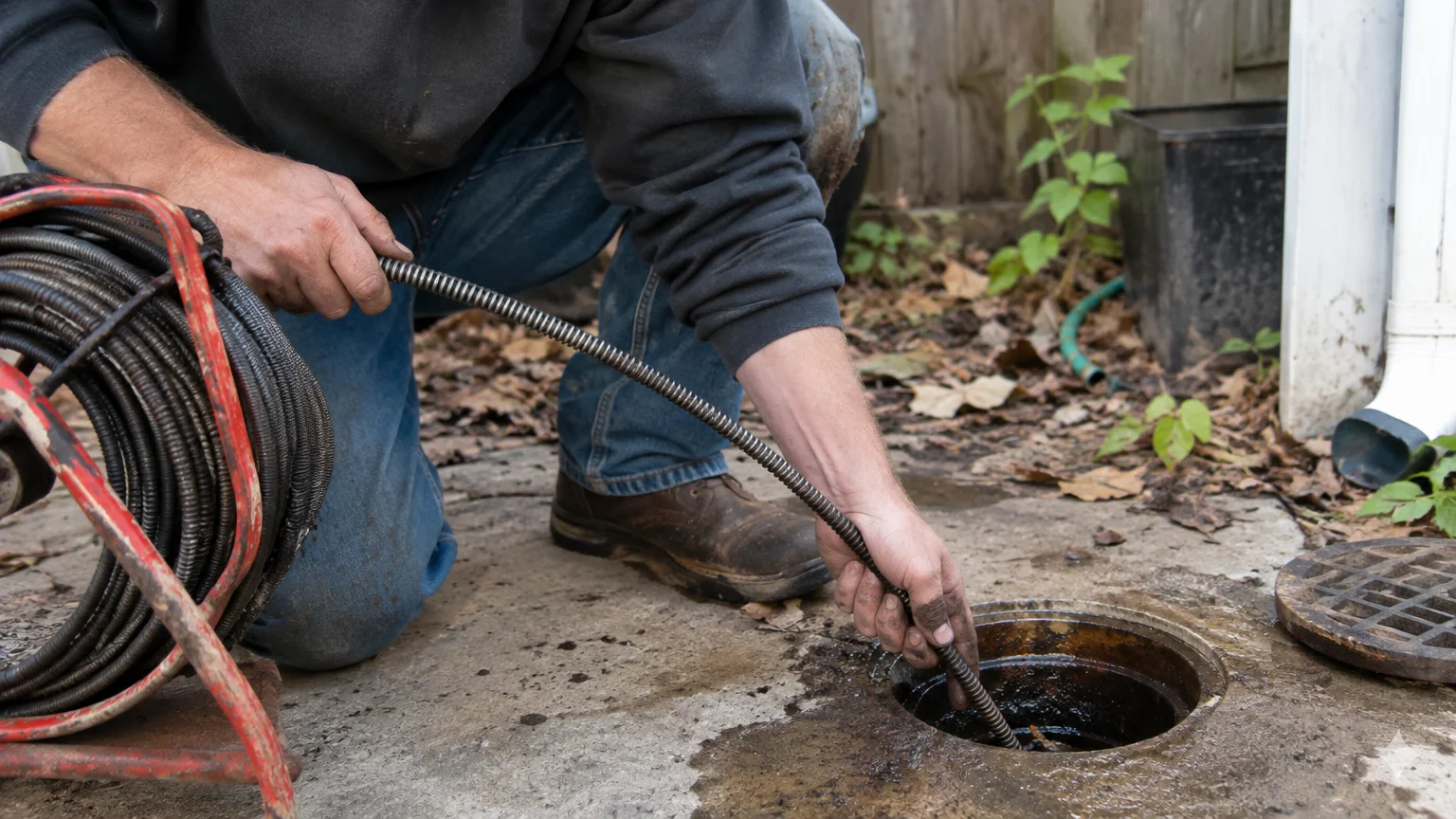
A drain snake is a long, bendable tool that goes into a pipe to reach a blockage. A hand-operated model may have a small hook or coil at its end. The user feeds it into the drain, then turns or pulls it back to catch debris. Plumbers also use longer tools that can reach farther into drain lines.
A homemade drain snake alternative is not made in the same way. It may catch loose hair or lint close to the opening, but it may not clear grease, hard buildup, or a clog deep in the pipe. A home-use drain plumbing snake is designed for this task. Still, the right tool depends on the drain and the kind of blockage.
How homemade alternatives differ from plumbing tools
A purpose-made tool often has a smooth, flexible body and a shaped tip. These parts help it move through a drain while limiting contact with pipe walls. A household object may have sharp edges, weak joints, or a shape that can snag inside the pipe.
Keep the goal small: remove visible debris or a shallow clog without force. A homemade tool cannot fix a sewer blockage or a damaged pipe. Magnolia Texas Plumbing can help property owners sort out whether a problem seems limited to one fixture or may affect a larger drain line.
Which household items can help clear a minor drain clog?
A plastic drain-cleaning strip is often the best household choice for a small hair clog near the opening. Its small barbs can catch hair as you pull the strip out. Use it as directed, and do not push it farther into the pipe if it meets resistance.
Using a plastic drain-cleaning tool
These simple tools are sold at hardware and home improvement stores. They are made to catch nearby hair and debris, not every kind of blockage. Choose a tool that fits the drain opening, and check that it is not cracked or rough before using it.
Remove the drain cover only if it comes off safely. Feed the strip in slowly, then pull it back without a hard twist. Keep a firm grip so the tool does not slip into the pipe. Take off any caught material and put it in the trash instead of rinsing it back down.
When a bent wire hanger may cause damage
A wire hanger is not a safe replacement for a plumbing snake. Its end can scratch a fixture, catch on a pipe joint, or get stuck. It may push hair or other debris farther into the pipe instead of pulling it out. Avoid a hanger if you do not know the pipe path or the drain opening is narrow.
Do not put a sharp or homemade metal tool into a toilet. Toilets have bends that can trap objects, and a metal edge can scratch the bowl. A plastic tool made for that fixture is safer. If a drain strip cannot reach the clog with ease, stop instead of trying a longer or sharper object.
How can you try a homemade drain snake safely?
Try a homemade drain snake only when the clog seems shallow and the fixture drains slowly. Do not try it if another drain is backing up. First clear visible debris around the opening, then use a plastic drain-cleaning strip with care. Stop if it catches or meets firm resistance.
Steps for attempting a shallow, accessible clog
- Protect the area. Put on gloves and move items away from the sink or tub. Keep a small bag or bin nearby for debris.
- Check the drain opening. Remove visible hair or food scraps by hand only when they are easy to reach. Do not put your fingers deep into the pipe.
- Use the right tool. Choose a plastic strip made for drain cleaning. Follow the tool’s directions and keep it near the opening.
- Pull debris out gently. Move the strip slowly, then remove anything caught on it. Do not force it deeper into the drain.
- Test the fixture. Run a little water and watch how it drains. Stop if water rises, leaks appear, or the clog remains.
Protecting the drain, pipe, and yourself
Do not mix drain products or add a chemical cleaner after trying another product. Liquid left in the pipe may splash or react with something else. If you have already used a chemical cleaner, follow its label and tell a plumber before service begins.
Keep tools clean, and do not use a drain tool in a food area without washing it well. If the tool breaks or slips into the pipe, do not try to reach it with another object. A licensed plumber can check the drain and remove a stuck tool without adding more force or harm.
When should you use a plunger instead of a drain snake?
A plunger is often a better first tool when a soft clog is near a sink, tub, or toilet drain. It uses pressure to loosen a blockage, while a snake catches or moves debris. The best choice depends on the fixture and what may be blocking it.
Matching the tool to the fixture
For a sink or tub with standing water, a cup plunger may help loosen a nearby clog. A flange plunger has a shape that fits a toilet outlet. Use a clean, separate plunger for toilets and sinks. A plunger that does not seal against the fixture will not work well.
A plunger may help when water drains slowly but has not backed up in other fixtures. A plastic strip may be a better fit for a hair clog close to a tub or bathroom sink. Neither tool is likely to fix a deep sewer problem or a clog caused by a damaged pipe.
Creating a proper seal without forcing the clog
Place the plunger cup over the drain, then press down gently to make a seal. Use steady strokes instead of sharp, hard pushes. For a sink with an overflow opening, cover the overflow with a damp cloth. This can help keep the pressure near the drain.
Stop if water comes up in another fixture, the plunger does not change the flow, or a leak appears. Hard, repeated plunging can splash dirty water and put stress on weak connections. If a toilet keeps filling or a sink stays blocked after careful use, more force will not solve the problem.
What should you avoid when clearing a drain yourself?
Avoid sharp metal objects, force, and chemical drain cleaners when the clog is unclear or a product may react with something in the pipe. These choices can create safety risks or harm a fixture. Do not keep trying DIY methods when the drain shows signs of a bigger problem.
Why chemical drain cleaners can create risks
Some chemical products can burn skin or eyes. They can also stay in the pipe and splash back during plunging or tool use. If you have already used one, read and follow its label. Never mix cleaners or add another product to make the first one work faster.
A cleaner may not remove what is causing the blockage. Hair, grease, or an object may still be in place even if water moves for a short time. If the drain stays slow, using more product may expose people to extra residue without fixing the clog. Use a safer mechanical step only when the label and situation allow it.
How forceful or unsuitable tools can damage pipes
Do not push a wire, stick, or rough-ended tool into a drain. It may catch on a pipe joint, harm a seal, or become stuck. Older or weak plumbing may be more likely to suffer damage from forceful attempts.
Do not keep turning a tool when it will not move. It may have reached a bend, a hard object, or a blockage beyond its reach. Stop and pull it out gently if you can. If it is stuck, call a plumber instead of pulling hard or adding another tool.
How can you tell whether a clog needs professional attention?
A clog may need professional attention when it keeps coming back, affects several fixtures, or causes dirty water to back up. These signs may point to a blockage farther along a drain or sewer line. Stop DIY work if water rises, leaks, or comes from more than one drain.
Warning signs of a deeper drain or sewer problem
Watch for changes beyond one sink or tub. One slow drain may have a local clog, but several affected fixtures can point to a shared drain problem. A sewer backup means wastewater flows back into a building through a drain or fixture. Treat it as serious and avoid touching the water.
Common warning signs include:
- Several slow drains at once, especially in different rooms.
- Water backing up in a tub, floor drain, sink, or toilet.
- Gurgling sounds from fixtures when another drain is used.
- A clog that returns soon after careful clearing.
- Leaks or damp spots near pipes, walls, or cabinets.
These signs do not prove the cause by themselves. A plumber can check the system and decide whether drain cleaning or drain repair may be needed. Do not run more water if it causes a backup.
When repeated DIY attempts should stop
Stop after one careful attempt fails to improve the drain. Trying the same method again and again may push the clog deeper or make a bigger mess. Stop right away if a tool gets stuck, a pipe leaks, or a chemical product has been used and the drain still needs help.
A licensed plumber can use tools suited to the line and check for a deeper problem. Magnolia Texas Plumbing helps homeowners and property owners understand when professional drain cleaning may be needed. For an urgent backup or active leak, seek emergency plumbing help and keep people away from dirty water.
How can you help prevent future drain clogs?
Simple habits can help keep drains clearer. Use a drain screen, remove caught debris, and keep grease and food scraps out of sink drains. These steps will not stop every clog, but they can limit the material that enters the pipes.
Everyday habits that keep drains clearer
In a bathroom, clean hair from the drain screen before it washes into the pipe. In a kitchen, scrape food into the trash or compost bin instead of rinsing it down the sink. Let cooking grease cool, then put it in a suitable container rather than pouring it into a drain.
Do not flush wipes, paper towels, or hygiene products, even if the package says they can be flushed. They may not break down like toilet paper. Keep small objects away from open drains, and make sure everyone at home knows what should stay out of them.
Choosing routine maintenance for the type of drain
Each drain has different needs. Kitchen sinks collect food and grease, while bathroom drains often collect hair and soap. A floor drain may need its cover checked and kept clear of dirt. A screen or strainer can catch debris before it reaches the pipe.
For clogs that keep coming back, note which fixtures are affected and when the problem starts. This can help a plumber find the cause. Vinegar and baking soda are often suggested for drain cleaning, but they may not clear a real blockage. They should not take the place of removing visible debris or getting an inspection when problems return.
Frequently Asked Questions
Can a homemade drain snake clear a deep clog?
Usually, a homemade tool is only suited to debris near the drain opening. It may catch loose hair, but it cannot reliably reach or clear a deep blockage. Stop if the clog remains after a gentle attempt. A plumber can check the line and choose a tool that fits the problem.
Is baking soda and vinegar a good way to clean a drain?
Baking soda and vinegar may loosen light residue, but they are not a sure fix for a solid clog. They will not remove every kind of buildup or a blockage deep in a pipe. Do not mix them with chemical drain products. Use a drain screen and remove visible debris instead.
Can a wire hanger be used as a drain snake?
A wire hanger is not a safe drain snake. Its sharp end can scratch a fixture, catch inside a pipe, or push debris farther down. Use a plastic drain-cleaning strip made for the job, and keep it near the drain opening. Stop if it meets resistance or gets stuck.
How can someone tell whether a drain clog is in the sewer line?
Several slow drains, gurgling fixtures, or wastewater backing up may point to a problem beyond one fixture. These signs do not confirm the exact cause. Stop using affected drains and contact a licensed plumber. Avoid touching backup water because it may contain harmful waste.
When should a homeowner call a plumber for a clogged drain?
Call a plumber when a clog returns, affects several fixtures, causes a backup, or does not improve after a careful attempt. Also stop if a tool gets stuck or a leak appears. Repeated force can make the problem worse. A professional can inspect the drain and find a suitable next step.
Key Takeaways
- A homemade drain snake is best for a shallow, minor clog.
- A plastic cleaning strip is safer than a wire hanger.
- Use gentle movements and stop when a tool meets resistance.
- Several slow drains or a sewage backup need prompt attention.
- Screens and careful disposal habits can help prevent clogs.
Conclusion
A plastic drain-cleaning strip may help with hair or debris close to a drain opening. It is not a replacement for a plumbing snake or a professional check. Use simple tools with care, avoid harsh or forceful methods, and stop when the clog does not clear. For Magnolia property owners, a careful check can help show when professional help is needed. To discuss a blocked drain or signs of a deeper problem, Contact us at Magnolia Texas Plumbing.
If you are not sure what you are dealing with, it is worth having someone look at it before it turns into a bigger job. Get in touch with Magnolia Texas Plumbing today and we will tell you where you stand.