A plumbing inspection checklist for home buyers helps find leaks, weak water flow, drain trouble, water heater faults, damaged pipes, and sewer concerns before closing. Check visible fixtures and access points first. Then ask a qualified plumber to test hidden lines, gas fittings, sewer pipes, or unsafe equipment.
Table of Contents
- What should home buyers check during a plumbing inspection?
- How do you inspect the home’s water supply and water pressure?
- How can you check faucets, sinks, toilets, and drains for problems?
- What should you look for in the water heater?
- How do you inspect pipes, sewer lines, and plumbing access points?
- Which plumbing issues should influence a home purchase decision?
- When should a home buyer hire a professional plumber?
- Frequently Asked Questions
What should home buyers check during a plumbing inspection?
Home buyers should check water flow, drains, toilets, visible pipes, shutoff valves, fixtures, and the water heater. Look for stains, wet spots, mold-like growth, rust, poor repairs, and odd smells. A careful walk-through can find warning signs, but it does not replace a full professional inspection.
How to prepare for a property plumbing walkthrough
Ask the seller or agent if all plumbing areas are open. This includes bathrooms, kitchens, utility rooms, basements, crawl spaces, garages, and outdoor hose connections. Stored items can hide leaks, so list blocked areas in the inspection report.
Bring a flashlight, paper, and a phone for notes. The goal is not to take equipment apart. Use normal controls only. Stay away from electrical panels, gas fittings, sealed parts, and damaged surfaces. Do not turn on water if the home has a known leak or unsafe condition.
Test more than one fixture. A home may have good flow in one room and weak flow elsewhere. Write down each fixture tested, each area you could not reach, and each sign of trouble. These notes help the inspector, seller, agent, and closing team.
Which plumbing components deserve the closest attention?
Focus on the main water supply, visible pipes, drain lines, toilets, sinks, showers, tubs, water heater, sump equipment, and sewer access points. Pay close attention to parts that are old, rusty, patched, hard to reach, or near finished walls and floors.
A useful checklist includes:
- Main shutoff valve and visible water meter connections
- Supply pipes under sinks and behind toilets
- Faucets, shower valves, tubs, and drain openings
- Toilets, cleanouts, floor drains, and exposed sewer lines
- Water heater tank, connections, valves, and drain pan
- Basement, crawl space, attic, garage, and cabinet areas
Magnolia Texas Plumbing helps property owners understand which concerns need prompt care after a walk-through. Ask for written findings and clear photos before making a purchase decision.
How do you inspect the home’s water supply and water pressure?
Check the main shutoff, visible pipes, meter area, and water flow at several fixtures. Water pressure should feel steady. It should not be very weak or unusually forceful. Banging pipes, sudden flow changes, or slow filling may point to a valve, supply, pressure, or pipe problem.
Checking the main shutoff valve, meter, and visible supply pipes
The main shutoff controls water entering the home. It may sit near the meter, where the supply line enters the home, or in a utility area. The valve should be easy to find and reach. A stuck or damaged valve can make an emergency plumbing leak harder to stop.
Look for mineral buildup, rust, active drips, wet soil, or a broken valve box. The meter area should not have standing water or signs of recent digging. Check visible supply pipes for green marks, white deposits, heavy rust, swelling, or temporary clamps.
Pipe material gives useful clues, but it does not prove the system is safe or faulty. Homes may have copper, plastic, galvanized steel, or other approved materials. A professional should check pipe condition, especially when the home has mixed materials or older sections inside walls.
Recognizing signs of low or excessive water pressure
Low pressure may show as a weak shower, slow faucet flow, or a toilet that fills slowly. A partly closed valve, clogged screen, bad pressure regulator, blocked supply, or worn pipe may cause it. The same sign can have different causes in different homes.
High pressure may cause noisy pipes, leaking fixtures, damaged appliances, or repeated valve failure. Do not adjust a pressure regulator without help. An inspector or plumber can test pressure with the right gauge and explain the result.
Check pressure across the whole property. One blocked faucet screen is less serious than weak flow everywhere. Note when the pressure changes, how many fixtures are affected, and whether the problem starts when another room uses water.
How can you check faucets, sinks, toilets, and drains for problems?
Run cold and hot water, check connections, flush toilets, and watch drains empty. Look below cabinets and around fixture bases for dampness, stains, swelling, odors, and fresh caulk. A slow drain or running toilet may be a small repair or a sign of a wider problem.
Testing fixtures for leaks, flow, and drainage
Each faucet should open smoothly and give a steady stream. Check the handle, spout, supply connections, shutoff valves, and cabinet floor. Water should not gather around the faucet base or drip after the handle is closed.
Sinks, showers, and tubs should drain without backing up. A short delay may come from a dirty stopper or screen. Repeated slowing may point to buildup deeper in the pipe. Do not use chemical drain cleaners during the inspection. They can hide signs and create safety risks.
Toilets should flush fully and refill without running. A running toilet may have a worn flapper, bad fill valve, poor chain setting, or another internal fault. If water moves in the bowl when no one is using it, the toilet may waste water or lose tank pressure.
Identifying hidden moisture and recurring blockage warning signs
A musty smell, soft cabinet base, bubbled paint, stained ceiling, or warped floor can point to hidden moisture. Check the room below bathrooms and kitchens when possible. A small stain may show that water traveled farther than the fixture.
Recurring blockage signs include gurgling, slow drains in several fixtures, water rising in a tub when another fixture runs, and foul sewer smells. These signs may point beyond one drain. A professional may need to inspect the building drain or sewer connection.
Basic cleaning is often safe for homeowners. You can remove a sink stopper, clean a faucet screen, or clear hair from a shower drain. Stop and seek plumbing advice when water backs up, a pipe is damaged, sewage appears, or the blockage returns soon.
What should you look for in the water heater?
Check the water heater for leaks, rust, damaged connections, unsafe space around it, missing parts, and poor care. Record the unit type, fuel source, location, condition, and service history. Water Heater Repair may be needed when the unit cannot heat water safely or steadily.
Inspecting the tank, connections, valves, and surrounding area
The tank or cabinet should be dry and free of heavy rust. Water near the base may mean a tank leak, valve leak, drain issue, or condensation. The cause should be checked before deciding that the unit needs replacement.
Connections should not have active drips or thick mineral deposits. The temperature and pressure relief valve should not be blocked, capped, or leaking. A discharge pipe should be present when the installation requires one. Do not test, remove, or change safety parts yourself.
Keep the area around the heater clear enough for service. Fuel-burning units need safe air flow and proper space around them. Gas odors, soot, damaged wires, scorch marks, or unusual sounds need quick attention. If you smell gas, leave the area and avoid switches or flames. Contact the gas utility or emergency services as needed.
Questions about age, maintenance, fuel type, and performance
Ask when the water heater was installed, what fuel it uses, and whether it has been repaired or maintained. The model and serial information can help a professional identify the unit and its parts. Ask the seller for service records.
Ask whether hot water runs out fast, changes color, smells strange, or takes too long to arrive. An anode rod helps protect many storage tanks from rust. Anode Rod Replacement Water Heater service may help when a suitable tank needs care.
Judge the water heater by safety, condition, capacity, access, and future service needs. The final choice should rely on a qualified inspection, not looks alone. Magnolia Texas Plumbing can help property owners review water heater concerns and choose a sensible next step.
How do you inspect pipes, sewer lines, and plumbing access points?
Check exposed pipes, cleanouts, drain connections, crawl spaces, basements, and other access points. Look for leaks, rust, poor repairs, and freeze damage. A visual check cannot see inside buried or enclosed lines. A sewer camera inspection may help with an older home or warning signs.
Spotting corrosion, leaks, poor repairs, and freeze damage
Corrosion may look like flaking metal, green marks, white deposits, or swollen joints. A repair patch may be strong, but loose clamps, tape, stains, or mixed temporary materials need review. Old water stains should still be recorded, even when the leak has stopped.
Freeze damage may cause split pipes, cracked fittings, bulging sections, or leaks when water flows again. Check pipes near outside walls, unheated spaces, garages, and crawl spaces. Insulation can help protect pipes, but it cannot fix damage already present.
Access points should be visible and usable. A buried cleanout, blocked valve, or sealed panel can make future service harder. Ask if plumbing areas were remodeled, enclosed, abandoned, or repaired after water damage.
When a sewer camera inspection or specialist assessment is appropriate
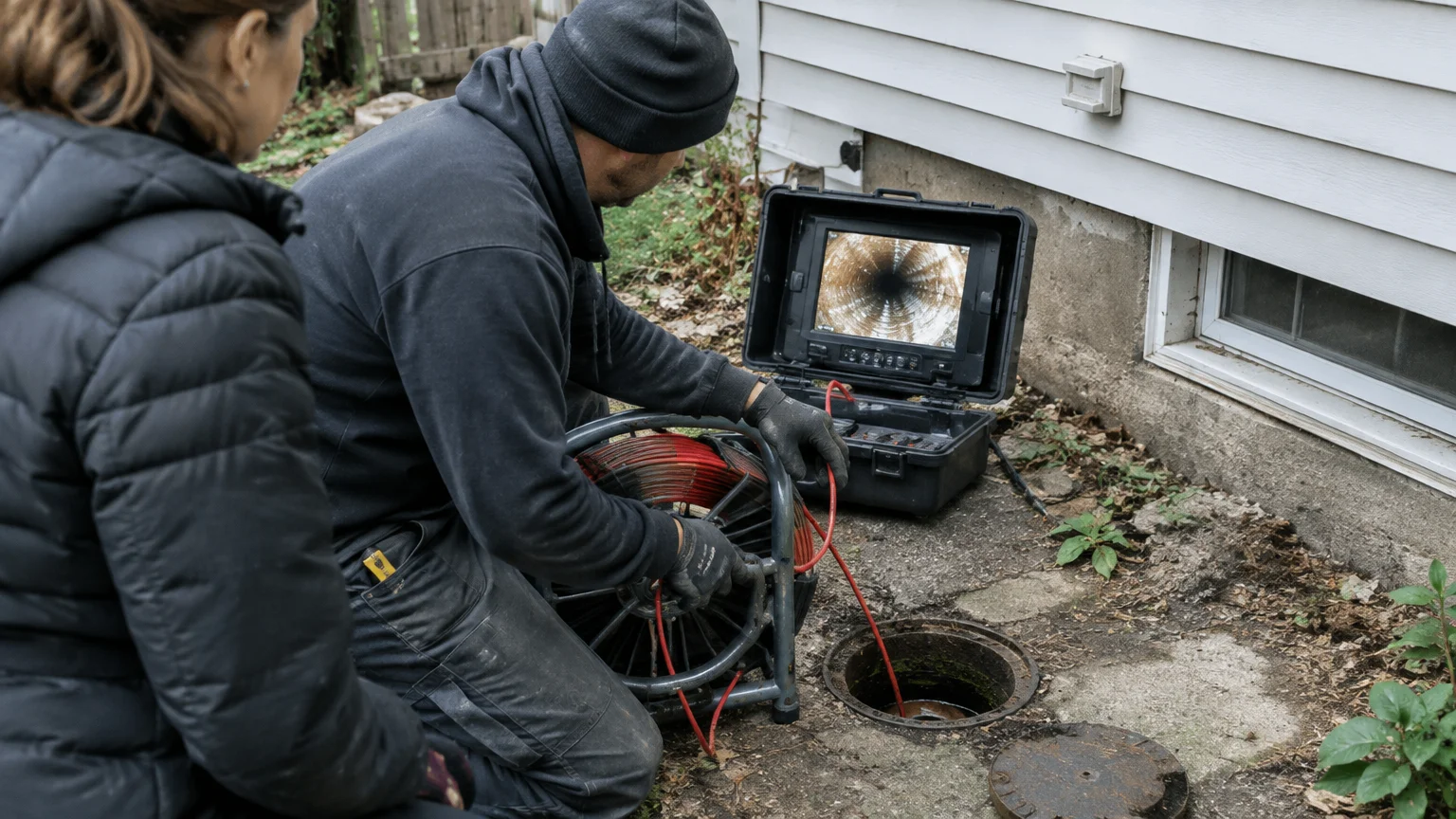
A sewer camera inspection shows the inside of a building sewer line. It may help when drains back up, several fixtures drain slowly, large trees grow near the line, or the home has older underground pipes. A camera can show breaks, roots, shifts, heavy buildup, and separated joints.
A specialist review also helps when there are repeated leaks, odd smells, unexplained moisture, or a damaged sewer cleanout. Ask for written findings and images when possible. The report should explain where each concern is and how serious it may be.
Do not assume a clear indoor drain means the sewer line is sound. Problems can stay hidden until the system gets heavy use. A professional can explain whether more testing makes sense before the inspection period ends.
Which plumbing issues should influence a home purchase decision?
Plumbing issues matter when they affect safety, water service, building materials, sanitation, or future reliability. Small upkeep needs differ from active leaks, failed water heaters, damaged sewer lines, or unsafe gas plumbing. Review each finding with the inspection report and the home’s condition.
Separating routine maintenance from urgent or major defects
Routine items may include a worn faucet washer, loose toilet handle, dirty aerator, slow stopper, or minor caulk failure. These belong on a maintenance list, but they may not change the purchase decision alone. A professional can confirm whether an issue is small or part of a larger pattern.
Urgent concerns include active leaks, sewage backup, unsafe gas conditions, major water damage, no usable shutoff, severe rust, and a water heater leaking from its tank. Several fixtures with poor drainage may point to a main-line problem. These findings need prompt review before closing.
Findings that deserve careful review include:
- Water damage inside walls, ceilings, floors, or cabinets
- Repeated drain backups or sewer odors
- Unsafe gas connections or suspected gas leaks
- Failed shutoff valves or blocked plumbing controls
- Severe pipe rust, freeze damage, or poor repairs
- A leaking or unsafe water heater
How inspection findings can affect negotiations and closing plans
Do not make promises from a quick visual check. The inspection report should name the symptom, location, likely cause, and next step. A licensed professional can give a clearer opinion when a defect may affect safety or living conditions.
The buyer, seller, agent, and closing team can then decide how the finding fits the purchase agreement. Some problems may need repair, more testing, records, or a change to the closing plan. Keep reports, service records, photos, and written advice.
A home with plumbing defects is not always a bad purchase. The key is knowing the condition and planning for the work. Magnolia Texas Plumbing serves the Magnolia area, including Downtown Magnolia, Mostyn Manor, Pinehurst, Stagecoach, Tomball, The Woodlands, and nearby communities. The team can help identify concerns before a property changes hands.
When should a home buyer hire a professional plumber?
Hire a professional when a visual check finds active leaks, sewage, gas concerns, poor pressure, repeated blockages, hidden moisture, unsafe water heater conditions, or damaged supply and sewer pipes. Professional testing also helps when you need a clear report before an inspection deadline.
Limits of a visual inspection and do-it-yourself testing
A homeowner can safely run fixtures, inspect open areas, clean screens, remove a simple drain stopper, and check whether a toilet keeps running. These steps help find symptoms. They do not prove that hidden pipes, sewer lines, gas fittings, or water heater safety parts are sound.
Do not open walls, enter unsafe crawl spaces, test gas lines with a flame, remove relief valves, repair electrical wiring, or use harsh chemicals to force a drain open. If you smell gas, leave the property and contact the gas utility or emergency services. A qualified professional can perform safe leak testing.
Do not cover stains or make repairs before the condition is recorded. Clear photos and notes show what was found. A professional can explain whether toilet repair, water heater repair, drain assessment, gas line plumbing review, or a wider inspection is needed.
Key takeaways for documenting plumbing concerns before closing
Record the fixture, symptom, location, date, and change during testing. Separate facts from guesses. For example, “water appears below the sink” is more useful than saying the supply pipe failed without testing.
Key takeaways:
- Test several fixtures, not only the easiest sink.
- Check visible pipes, valves, drains, toilets, and heater areas.
- Treat sewage, gas odors, active leaks, and unsafe equipment seriously.
- Use a professional for hidden lines, pressure tests, gas testing, and sewer cameras.
- Keep reports and photos before inspection or closing deadlines.
A careful checklist helps buyers ask better questions and miss fewer warning signs. It also gives the plumber useful facts before a visit. Keep all notes with the other home records.
Frequently Asked Questions
How can a buyer tell if a house has plumbing problems?
Run several fixtures, flush toilets, watch drains, inspect cabinets, and look for stains, odors, rust, or damp areas. Slow flow in many fixtures, repeated backups, running toilets, and water heater leaks need more review. A walk-through finds clues, but hidden defects may need a professional inspection.
How do you check for gas leaks in a home?
Never use a flame or electrical switch to test for gas. If you smell gas, leave the property and contact the gas utility or emergency services. A qualified plumber or utility worker can use approved tools to find and confirm a leak.
Why does a toilet keep running after it is flushed?
A toilet may keep running because its flapper does not seal, its fill valve is worn, or its chain is poorly set. The water level may also be wrong. You can look inside the tank, but a plumber should check the fixture when the problem returns or causes a leak.
Should a home buyer get a sewer camera inspection?
A sewer camera inspection may help when several drains are slow, backups occur, roots grow near the line, or the home has older underground pipes. It also helps when access points show damage or past repairs. The camera shows conditions a normal fixture test cannot.
What should a buyer do when plumbing problems appear before closing?
Document each symptom and avoid unsafe repairs. Request a professional review when needed. The report should explain the location, condition, and next step. Then discuss the findings with the agent and closing team under the purchase agreement.
Conclusion
A home buyer’s plumbing review should cover water supply, pressure, fixtures, drains, toilets, the water heater, visible pipes, sewer access, and signs of hidden moisture. Simple checks can reveal useful clues. Professional testing is needed for gas lines, hidden pipes, sewer lines, serious leaks, and unsafe equipment.
The plumbing inspection checklist for home buyers works best when every finding is written down before closing. Clear notes and qualified plumbing advice help buyers plan repairs and understand the home’s condition. Plumbing costs can depend on the part, access, damage, and urgency, so the final cost should be confirmed on a quote.
If you need help reviewing a property’s plumbing concerns, Contact us at Magnolia Texas Plumbing to arrange professional guidance.
If you are not sure what you are dealing with, it is worth having someone look at it before it turns into a bigger job. Get in touch with Magnolia Texas Plumbing today and we will tell you where you stand.