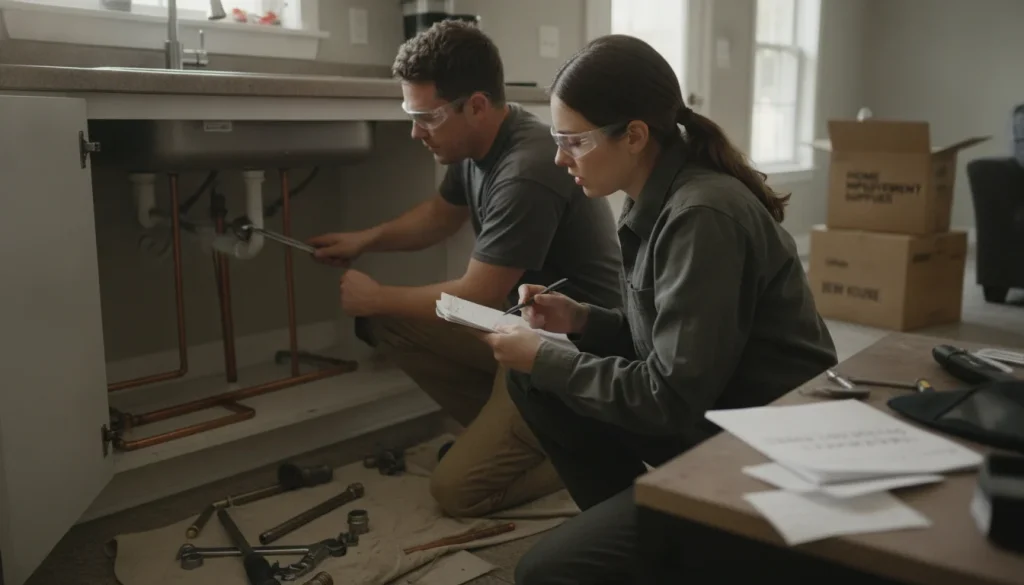
Moving into a new home in Magnolia and noticing drips or slow drains? Here is the direct answer: plumbing repair costs after buying a house depend on the problem, the age and material of your pipes, how accessible the work area is, and any permits or code updates required. Simple fixes can be quick; hidden damage or tight access often takes longer.
Key Takeaways
- Costs vary by issue type, pipe age/material, access, and code or permit needs.
- Triage active leaks, unsafe conditions, and failed shutoff valves first.
- Use sewer cameras and pressure tests to uncover hidden problems before work starts.
- After-hours or holiday calls carry premiums; schedule strategically when possible.
- Keep permits and records to protect insurance claims and resale value.
Did a drip show up right after you moved in? Or did the tub drain slow to a crawl? Many buyers face a few surprise fixes in the first months. Magnolia Texas Plumbing works across Magnolia every week helping new owners plan practical repairs. The goal is clear steps, not guesswork.
1. What homeowners usually fix first
Leak detection and pipe repairs. Leak detection finds the source of water loss using tools or dye tests. Small leaks often come from worn joints, valves, or pinholes. Pipe repairs can be straightforward if access is open; inside walls or slabs, they take more time and planning.
Drain cleaning and sewer line repairs. Drain cleaning clears clogs in sinks, tubs, or main lines. A sewer line is the pipe that carries waste to the city main. Roots, grease, and aging joints cause many blockages. A sewer camera can spot cracks, dips, or intrusions before they worsen.
Water heater repair or replacement. A water heater supplies hot water for baths and dishes. Common fixes include elements, thermostats, and igniters. If the tank nears the end of its life, a permitted replacement may be the safer call; most storage-tank units last about 8–12 years depending on water quality and maintenance.
Toilet, faucet, and shutoff valve replacements. A shutoff valve stops water to a fixture. Swaps for worn toilets, dripping faucets, and stuck valves are common after move‑in. These fixes can cut waste and end that steady drip.
Emergency and after-hours premiums. Work at night, weekends, or on holidays can carry a premium. This covers fast response and extra crew time. If a burst pipe hits, fast help is worth it.
2. What drives the cost of post-purchase plumbing work
Age and material of pipes (galvanized, copper, PEX). Galvanized steel can rust inside and narrow flow. Copper is durable but needs proper joints. PEX is a flexible plastic line that resists scale. Older or mixed systems often require more fittings, transitions, and checks.
Access, permits, and required code upgrades. Work behind tile, in slabs, attics, or in tight crawl spaces needs more time. Some jobs require permits. Code updates make work safer and current, like adding proper vents, expansion tanks, or seismic strapping where required.
Labor rates, trip charges, and minimums. Pros set rates based on skill, tools, and travel. A trip charge covers getting to the site. Some tasks have minimum time blocks to make the visit viable.
Hidden issues: roots, corrosion, low pressure. A slow drain can hide root growth. Green stains can signal corrosion. Low pressure may point to a failing regulator. Expect added steps if tests reveal more than one cause.
Condo/HOA and multi-unit considerations. Shared walls and stacks may limit access times. Rules can require advance notice, special insurance, or licensed contractors only. Plan schedules with the HOA to avoid delays.
3. Buyer checklist: inspections, budgeting, and planning your first year
How to read inspection and sewer camera reports. Look for notes on water pressure, shutoff location, fixture leaks, and water heater manufacture date. A sewer camera report should list pipe material, joints, root intrusions, cracks, and any standing water in the line.
Set a first-year repair reserve. A small reserve cushions unknowns. Many buyers set aside a small share of the purchase price. Use it for priority fixes first, like active leaks or unsafe venting.
Home warranty vs. licensed plumber: what’s covered. Warranties may cover certain components, not code work or access. A licensed plumber can diagnose, pull permits, and complete code upgrades. Read terms before choosing a path.
When a second opinion or pressure test is worth it. If a fix seems large, get a second opinion. A pressure test checks for hidden leaks without opening walls. This can confirm scope before work starts.
Mention services that fit your plan. Emergency Plumbing helps when a pipe bursts late at night. Kitchen Plumbing can sort supply and drain issues under sinks. Gas Line Plumbing needs a licensed pro for safety. Radiator Repairs and Garbage Disposal Repair handle system-specific faults. Water Heater Repair is ideal for tune-ups, parts replacement, or a permitted swap when needed.
4. DIY or call a pro? Safe tasks vs. projects to leave to licensed plumbers
Quick wins: clogs, aerators, flappers, and supply lines. Many owners can clear simple clogs with a plunger or a hand auger. Faucet aerators unscrew for cleaning. A toilet flapper swap stops running water. Replacing a flexible supply line is simple if valves work and threads are sound.
Jobs that risk leaks, mold, or code violations. Opening walls, cutting and joining pipe, moving gas lines, or altering vents can go wrong fast. A small miss can lead to leaks, mold, and major repairs. Leave these to licensed plumbers.
Safety, insurance, and resale disclosure implications. Work done without permits can affect claims and appraisals. Keep receipts and permit records. Clear documentation helps protect value when you sell.
Conclusion
Most post-purchase fixes are manageable with a plan. Triage active leaks first. Then schedule drain cleaning or water heater care. Build a reserve and document every step. Magnolia Texas Plumbing can guide next steps so you spend where it matters.
Key takeaways
- Plan a reserve and handle active leaks first.
- Pipe age, access, and code needs drive scope.
- Get camera and pressure tests before big jobs.
- Use DIY for simple tasks; hire pros for risky work.
- Keep permits and records to protect resale.
Frequently Asked Questions
What should I fix first after closing if I find plumbing issues?
Start with anything leaking or unsafe. Shut off water to the problem area, then address active leaks, failed shutoff valves, and clogged main drains. Next, plan water heater service and inspect exposed pipes. Document each step and keep receipts for your records.
How can I predict plumbing repair costs in an older home?
Focus on system age, pipe material, and access. Galvanized or mixed piping often needs more work. Camera the sewer line and test pressure to spot hidden issues. Local codes and permits add steps. Get a written scope from a licensed plumber before work begins.
Is a home warranty worth it for plumbing after I buy?
It depends on coverage limits and exclusions. Warranties may cover select components but often exclude code upgrades and access. A licensed plumber can give a full diagnosis and permitted repair. Compare response times, scope, and terms before choosing a path.
Magnolia Texas Plumbing serves homes and nearby areas with licensed help and clear advice. For fast scheduling and options that fit your plan, Contact us.